
How to Print High-Quality Classical Piano Sheet Music at Home?
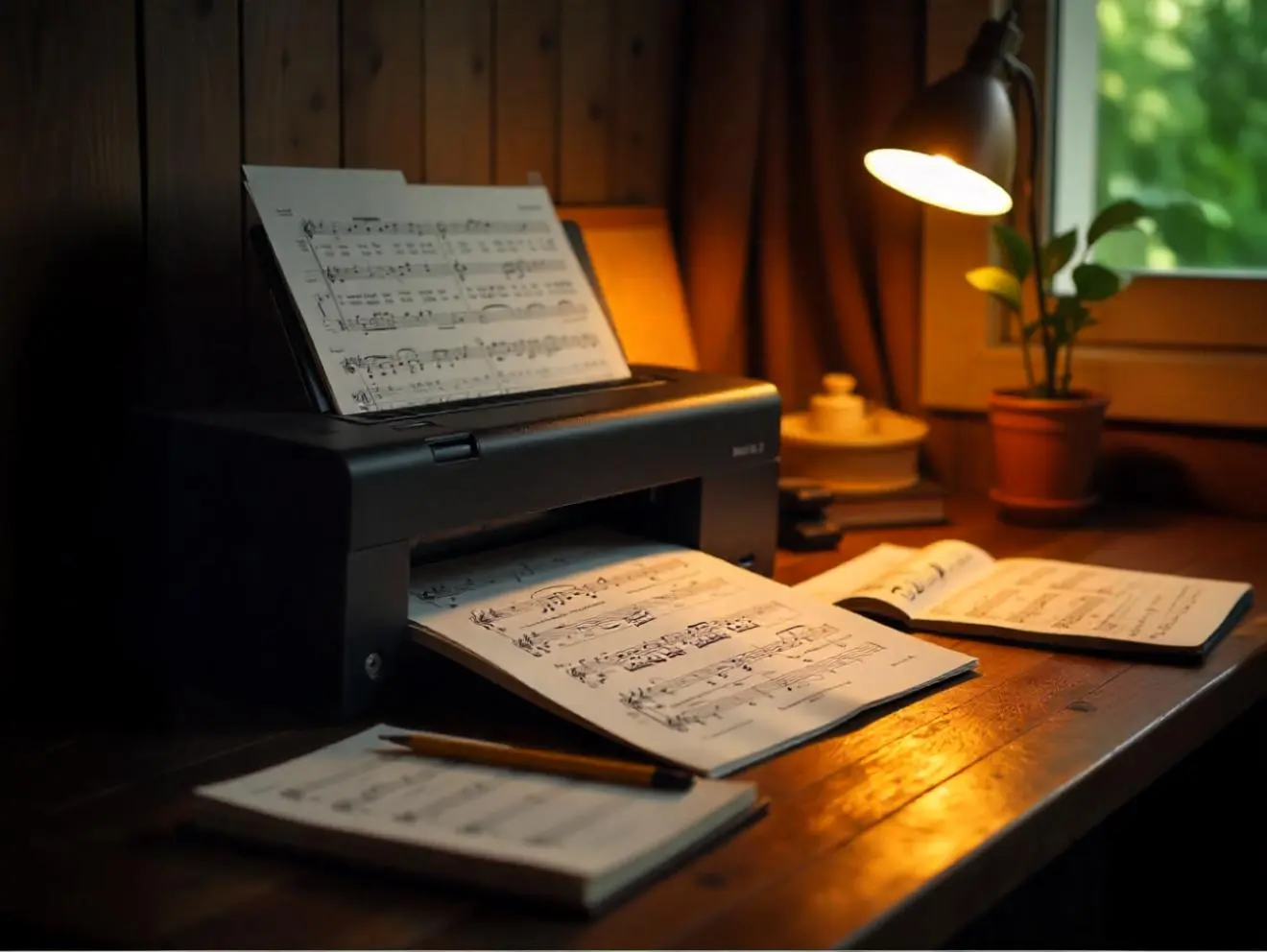
How to Print High-Quality Classical Piano Sheet Music at Home Like a Pro
Wondering how to print high-quality classical piano sheet music at home without losing any of the crisp details needed for a polished performance? Good news—it’s simpler than most people think. By selecting the right file formats, adjusting printer settings, and choosing a suitable binding option, you can produce professional-looking sheet music directly from your desk. Below, you’ll find a practical strategy for preparing and printing classical pieces so you can dive into practice with confidence.
Gather classical piano sheet music
The first step is to find pieces that match your style and ability. Many pianists today opt for digital sheet music files, but traditionally printed music books remain popular as well. Both methods can give you great results, as long as you choose reliable sources.
Choose printed or digital
- Printed books: Some musicians love the convenience of a ready-to-go book with no extra setup required. For instance, the “Sacred Piano Hymns 6” spiral-bound collection from Jason Tonioli is designed for easy page flips. If you prefer physical books, these are a solid pick.
- Digital downloads: If you enjoy the flexibility of printing just a few pages at a time, or if you like to annotate scores with a tablet, then digital sheet music is a handy choice. You can buy and download high-quality PDF files from sources like Jason Tonioli. After downloading, save them to a secure folder, so you can print them again if anything goes missing.
If you want more general ideas on what to play, you can explore what are the best classical piano sheet music pieces for beginners? to see a few popular options.
Optimize printer settings
Once you have chosen your music, set up your home printer for peak performance. A few small tweaks can produce sharp notes and clear markings that look almost like a professionally bound score.
Paper selection
When learning how to print high-quality classical piano sheet music at home, paper type matters. For most pieces, standard 8.5 x 11-inch (letter size) or A4 paper is fine. However, heavier 24 lb or 28 lb paper can prevent ink bleed-through. This thicker stock also feels sturdier, which may help you turn pages without smudging. If you plan to scribble notes and fingerings on your sheet, the thicker paper will hold up to repeated erasing.
Quality tweaks
Your printer’s “draft” mode is faster, but it can create fuzzy note heads. Switch to a “high quality” or “fine” setting for crisp reproduction. Also check if your printer supports grayscale settings or black-and-white optimization. These modes reduce unwanted color bleed on black notes, making everything easier to read. Finally, make sure you align and calibrate your ink or toner if that option is available, to reduce any horizontal or vertical streaks.
Bind and store your music
Neat and well-bound pages make a big difference when you are trying to focus on a complicated passage or a tricky tempo change. How you secure everything can keep pages from flying loopily off the piano stand.
Select a binding method
Below is a quick side-by-side look at a few home-friendly binding methods:
| Binding method | Pros | Cons |
| Spiral-bound | Easy page flips, finished look | Slightly higher cost |
| Staples | Quick and simple | Pages may tear over time |
| Hole-punch & binder | Allows easy reorganization | Bulky on crowded music stands |
Spiral-binding is popular for thicker collections, since pages lay flat and you can flip quickly without fuss. Some local office supply stores can spiral-bind your printouts at a low cost.
Label your pages
If you push multiple songs into one binder, add small labels or write page numbers in the bottom corner. This simple habit helps you find your preludes and preludes-and-fugues in a snap, especially when juggling a performance program. You can also place sticky tabs on frequently practiced sections, so you never lose track of a piece halfway through.
How to Print High-Quality Classical Piano Sheet Music at Home
Now that you have seen how to print high-quality classical piano sheet music at home, you are all set to play more confidently. By sourcing high-quality digital files, adjusting your printer’s settings, and choosing a binding approach that suits your style, you can create a professional and organized piano library at home. Whether you are enjoying a timeless Mozart sonata or trying out a new composition, you will spend less time wrestling with poor prints and more time enjoying the music.
Ready to Print Your Next Classical Masterpiece?
If you are ready to expand your collection, check out Tonioli.com for both digital and printed sheet music. You can also learn more about the significance of classical sheet music in your development as a musician by visiting why classical piano sheet music is essential for music students. Dive in, print your favorite arrangements, and let your next classical piece shine on the piano.
Frequently Asked Questions
1. What Are the Best Classical Piano Sheet Music Pieces for Beginners?
The best classical piano pieces for beginners include Beethoven’s Ode to Joy, Bach’s Minuet in G Major, Mozart’s Twinkle Twinkle Little Star variations, Chopin’s easy Prelude in E Minor, and Grieg’s simplified Morning Mood, which build basic technique and musical expression.
2. Where Can I Find Free Classical Piano Sheet Music Online?
You can find free classical piano sheet music from public-domain archives like IMSLP or trusted composer sites. For a curated and reliable selection, check out clean, high-quality scores that are ready to print.
3. What Makes Classical Piano Sheet Music So Timeless and Popular?
Classical piano sheet music has endured because it combines rich musical history with enduring technical and artistic value. Pieces by composers like Mozart, Beethoven, and Chopin are still played today for their emotional depth and technical brilliance. Learn more in musical history.
4. How to Print Piano Sheet Music at Home Without Losing Quality?
Use high-quality PDF files, set your printer to “high quality” or “fine” mode, and choose heavier paper like 24 lb or 28 lb stock to prevent ink bleed. Align and calibrate your printer for crisp lines, and consider spiral-binding to keep your pages neat and easy to turn. You can explore beautiful arrangements to print.
5. Where Can I Find the Best Printable Piano Sheet Music for Beginners?
Look for sources that offer clear, beginner-friendly arrangements with large notation and simple layouts. Many composers, including Jason Tonioli, provide printable PDFs designed for easy reading and home printing. For suggestions, see beginner-friendly arrangements.
6. Why Classical Piano Sheet Music Is Essential for Music Students?
It builds foundational technique, develops musical interpretation skills, and connects students to centuries of piano tradition. Classical repertoire challenges players to refine their skills while deepening their appreciation for music’s history.
Key takeaways
- Secure quality sources such as Jason Tonioli to obtain clean digital or spiral-bound sheet music.
- Switch your printer to a high-quality setting and use heavier paper for crisp lines and durability.
- Conserve time by choosing a convenient binding style that prevents pages from scattering.
- Label pages with titles or page numbers to keep your music organized.
- Double-check your margins, ensure everything is aligned, and enjoy reading clear, professional-looking scores at home.