
How to Print Sheet Music: Preserving and Sharing Musical Gifts
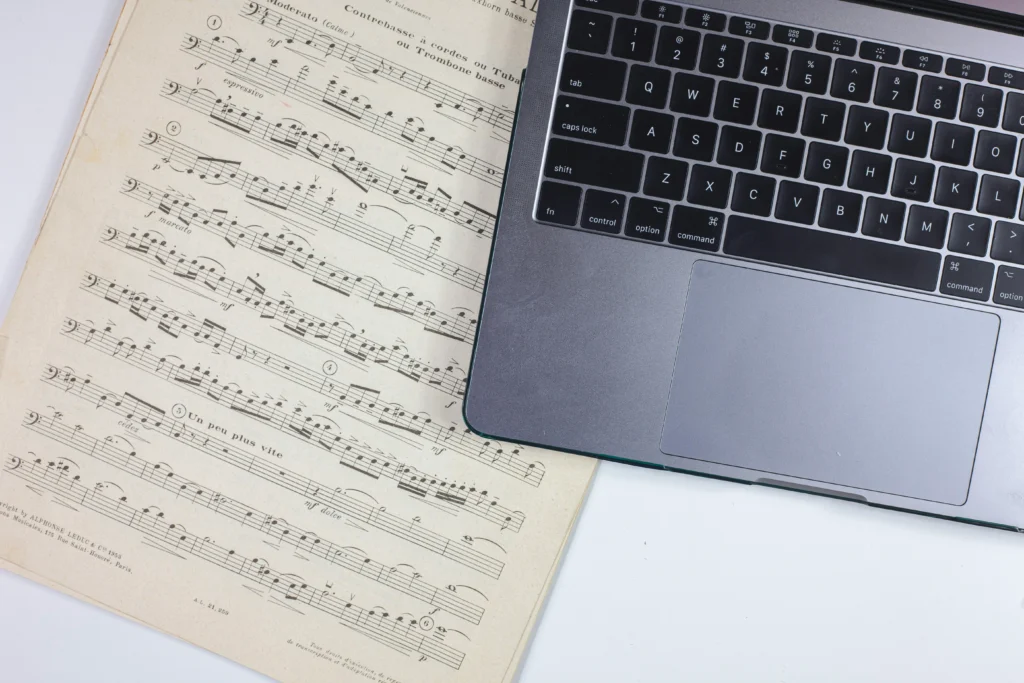
How to Print Sheet Music: A Step-by-Step Guide
Have you ever discovered a beautiful piece of music online and wanted to bring it to life on your piano? Or perhaps you’ve created your own arrangement of a cherished hymn to share with your church community? In our digital age, the ability to print sheet music at home opens wonderful possibilities for musical growth, family connection, and community sharing.
When we take care to print music beautifully, we’re not just creating paper with notes—we’re crafting tools for expression, vehicles for emotion, and bridges between generations. Let’s explore how to bring your digital music into the physical world with quality and care.
Why Quality Sheet Music Printing Matters
Creating a Musical Legacy for Your Family
The sheet music in your home tells a story—of pieces that marked special occasions, songs that comforted during difficult times, and melodies that brought joy to everyday moments. When printed with care and preserved thoughtfully, these pages become a musical heritage for your family.
“My grandmother’s hymnal, with her penciled notations and carefully organized pages, is one of my most treasured possessions,” shares pianist Maria Johnson. “When I play from those pages, I feel connected to her musical journey and faith walk.”
The Joy of Sharing Music in Community Settings
Whether you’re preparing music for a student recital, a church worship service, or a neighborhood gathering, quality printed sheet music communicates respect for both the musicians and the audience. Clear, well-printed music allows performers to focus on expression rather than deciphering smudged notations or squinting at tiny notes.
Honoring the Music Through Thoughtful Presentation
There’s something deeply satisfying about playing from beautifully printed sheet music. The visual clarity translates into musical clarity, allowing the composer’s intentions to shine through. When we take time to print music properly, we honor the creative gift that the composer has shared with the world.
Essential Equipment and Settings for Beautiful Sheet Music
Choosing the Right Printer for Sheet Music
While most home printers can produce acceptable sheet music, laser printers generally provide the sharpest results for music notation. The crisp black printing makes notes and dynamic markings easy to read, even in dimmer lighting conditions like performance venues.
If you’re using an inkjet printer, look for one with at least 600 dpi resolution and make sure to select the highest quality setting for printing music. Remember that investing in a good printer can enhance your musical journey for years to come.
Paper Selection: Weight, Brightness, and Durability
The paper you choose significantly impacts both the immediate usability and long-term preservation of your sheet music:
Weight: Aim for 24-32 lb paper, which provides enough stiffness to stand upright on a music stand without excessive floppiness.
Brightness: A brightness rating of 96 or higher ensures good contrast between the notes and the page, reducing eye strain during practice.
Durability: Consider acid-free paper for music you plan to keep for many years, as it resists yellowing and deterioration.
For pieces your family will use regularly, the investment in quality paper pays dividends in durability and reading ease.
Printer Settings That Enhance Readability and Performance
Before hitting “print,” take a moment to check these important settings:
- Select “high quality” or “best” print mode
- Ensure 100% scaling (not “fit to page”) unless you specifically want to resize the music
- Choose landscape orientation for most sheet music
- Disable headers and footers that might interfere with the music layout
These simple adjustments can make a tremendous difference in the final result.
Step-by-Step Guide to Printing Perfect Sheet Music
Preparing Your Digital Files for Printing
Before printing, preview your sheet music carefully. Look for:
- Complete measures at the end of each line
- Reasonable spacing between staves
- All necessary markings visible (dynamics, articulations, pedal marks)
If you’ve purchased digital sheet music, it’s likely already formatted properly. For free sheet music found online, quality can vary widely, so take time to evaluate before printing.
Setting Up Your Page Layout and Orientation
Most sheet music prints best in landscape orientation on letter-sized paper (8.5″ x 11″). This mimics the traditional orientation of published sheet music and provides enough space for comfortable reading.
If printing music for a beginner or someone with visual challenges, consider printing on 11″ x 17″ paper if your printer can accommodate it, allowing for larger notes that are easier to read.
Print Testing and Quality Checks
Before printing multiple copies or an entire collection, print a test page to verify:
- Note clarity and sharpness
- Proper spacing and alignment
- Correct size for comfortable reading at your instrument
Make adjustments as needed before completing your printing project.
Creative Ways to Organize and Preserve Your Printed Music
Creating Meaningful Collections for Family Use
Organize your printed music in ways that tell your family’s story:
- Holiday collections that grow each year
- Hymn arrangements that reflect your family’s faith journey
- Songs that mark milestone celebrations and gatherings
Label these collections thoughtfully, perhaps with the dates and special occasions when they were used, creating a musical timeline of family memories.
Durable Storage Solutions That Stand the Test of Time
Protect your printed music with:
- Three-ring binders with reinforced edges for frequently used pieces
- Sheet protectors for special arrangements or fragile pages
- Labeled dividers to organize by occasion, composer, or difficulty level
Consider creating a special space in your home for your family’s music collection, making it easily accessible for spontaneous music-making moments.
Sharing Music Across Generations: Digital vs. Physical
While digital libraries offer convenience, physical sheet music creates tangible connections between generations. Consider creating printed collections specifically for teaching younger family members, with space for writing in fingerings or notes of encouragement.
“There’s something special about seeing my grandfather’s handwritten notes on a piece I’m learning,” says young pianist Thomas Wilson. “It’s like he’s still teaching me, even though he’s no longer here.”
Want to bring more music and meaning into your life?
Explore Tonioli’s piano sheet music, inspirational books, and heart-centered compositions. Whether you’re a music teacher, parent, or performer, there’s something here to uplift your soul.
Visit Tonioli.com and find the soundtrack to your journey.
Frequently Asked Questions (FAQ)
1. What type of paper is best for printing sheet music?
Look for 24-32 lb bright white paper that’s thick enough to stand up on a music stand without excessive curling. For music you plan to keep long-term, acid-free paper that prevents yellowing and deterioration. While premium paper costs more initially, the improved readability and longevity make it a worthwhile investment for pieces your family will treasure.
2. How can I print sheet music that will stay open on a piano music stand?
Consider printing single-sided and placing pages side-by-side in sheet protectors in a three-ring binder. Alternatively, take printed music to a local copy shop for coil binding, which allows pages to lie completely flat. For a budget-friendly solution, carefully crease the center of folded music to help it stay open.
3. Is it legal to print sheet music I find online?
Only print sheet music that you have legally purchased or that is explicitly marked as free for personal use. Many sites offer legitimate free sheet music for pieces in the public domain. This is an excellent opportunity to teach children about respecting the work of composers and arrangers by obtaining music ethically.
4. How do I adjust printer settings for clearest music notation?
In your printer settings, select the highest quality print option available. Ensure you’re printing at 100% scale (not “fit to page”) to maintain the intended size. For most sheet music, choose landscape orientation and disable any headers or footers that might interfere with the music layout.
5. What are creative ways to organize printed sheet music for family use?
Create themed binders for different occasions (Christmas, worship, family favorites) or skill levels. Include a family music journal where members can note when they learned pieces or performed them. Consider a special “heritage” collection of music passed down through generations, with notes about who played each piece and on what occasions.
6. How can I create a church or community music library with printed sheet music?
Start by organizing music by instrument, voice range, or occasion. Use durable binders with clear labeling and consider a simple check-out system. Include a dedication page in each collection noting donors or honoring musical mentors in your community. This creates both a practical resource and a meaningful tribute to those who have shared their musical gifts.
Key Takeaways
- Properly printed sheet music creates a more enjoyable playing experience and honors the compositions
- Quality paper selection dramatically impacts both the immediate usability and long-term preservation of your music
- Correct printer settings ensure clear notation, proper sizing, and accurate representation of dynamics and markings
- Thoughtfully organized sheet music collections become meaningful family heirlooms that connect generations