
Piano Sheet Music Apps: Preserving Your Musical Inspiration
Piano Sheet Music Apps
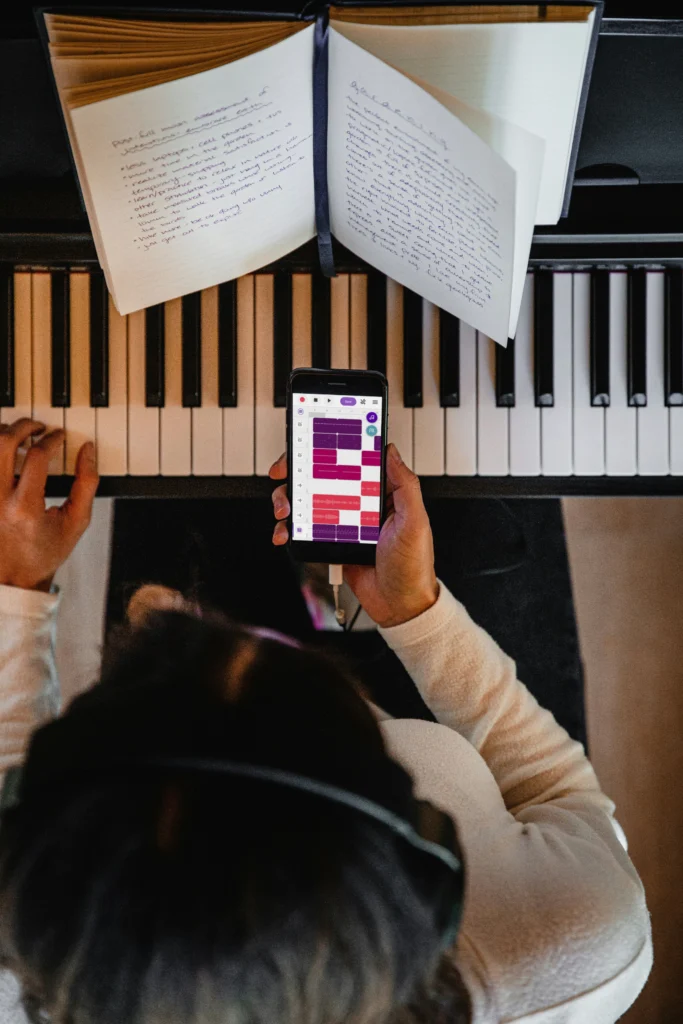
Have you ever found yourself lost in a beautiful piano melody, fingers dancing across the keys as inspiration flows—only to later struggle to remember exactly what you played? Those divinely inspired musical moments can feel like gifts, yet they’re often fleeting. Thankfully, modern technology has provided us with remarkable tools that can capture and preserve these musical blessings through piano sheet music apps.
Why Piano to Sheet Music Technology Matters for Musicians
Capturing Fleeting Moments of Musical Inspiration
There’s something almost sacred about those moments when music flows through you—when a melody emerges that feels both familiar and brand new. For many of us, these improvisational sessions are where our most authentic musical expression happens. Piano to sheet music apps serve as faithful scribes, documenting these precious creative moments that might otherwise dissolve into memory.
Music gives a soul to the universe, wings to the mind, flight to the imagination, and life to everything,” Plato once said. When we capture our musical inspirations, we’re preserving not just notes, but moments of our souls’ expressions.
Sharing Your Musical Gifts with Family and Community
Music has always been about connection—between the musician and listener, between generations, and within communities. When your improvised worship song or lullaby for your child can be transformed into sheet music, it becomes shareable in new ways. Grandparents can play your composition even when you’re not there to perform it. Your church worship team can learn your original piece. The family piano bench can hold your musical legacy alongside traditional favorites.
The Spiritual Connection Between Improvisation and Notation
Many musicians describe improvisation as a spiritual experience—a moment of being fully present and connected to something greater than themselves. Notation, meanwhile, represents tradition, discipline, and craft. Piano sheet music apps bridge these worlds, honoring both the spontaneous gift of musical inspiration and the structured language that allows music to be shared across time and distance.
Top Piano to Sheet Music Apps for Every Musician
ScoreCloud: The Intuitive Choice for Melodic Capture
ScoreCloud has earned its reputation as the “Shazam for sheet music” with good reason. This approachable app, one of the many helpful piano sheet music apps available, listens to your playing and translates it into notation with remarkable accuracy. Simply play your piece, and the app does the transcription work. What makes ScoreCloud special is its ability to understand musical context recognizing time signatures, key changes, and even suggesting appropriate dynamics.
NotateMe: Detailed Transcription for Complex Compositions
For musicians with more complex compositions, NotateMe offers greater control and precision. Its PhotoScore feature even allows you to capture handwritten notes or existing sheet music through your device’s camera. This app shines when handling intricate harmonies and sophisticated rhythmic patterns, making it ideal for more advanced compositions.
MIDI Connection Apps: From Digital Piano to Written Score
If you play on a digital piano or keyboard with MIDI capabilities, apps like Notion, Finale, and MuseScore can directly capture your performance data. This direct connection results in highly accurate transcriptions, capturing nuances in timing, velocity, and expression. Many church pianists and worship leaders find this option particularly valuable for documenting service music and arrangements.
Mobile-Friendly Options for On-the-Go Musicians
Apps like Perfect Piano and Piano3D not only allow you to play piano on your mobile device but can also record and transcribe your playing. While these may not offer the full precision of dedicated transcription software, they’re perfect for capturing quick ideas while waiting for soccer practice to end or during quiet moments between family activities.
How to Choose the Right Piano to Sheet Music App for Your Needs
Skill Level Considerations: From Beginners to Advanced
Beginners often benefit from apps with simple interfaces and basic notation features. Look for apps that offer playback at variable speeds and simplified notation options. Advanced musicians might prioritize apps that can handle complex time signatures, extensive ornamentation, and detailed articulation markings.
Technical Setup Requirements
Consider your existing equipment. Do you have a digital piano with MIDI output? Will you be recording an acoustic piano through a microphone? Are you looking for something that works with just your smartphone? Your technical setup will significantly influence which app will serve you best.
Budget-Friendly vs. Premium Features
Many apps offer free versions with limited features, which can be perfect for occasional use or simple transcription needs. Premium versions typically offer enhanced editing capabilities, better accuracy, and additional export options. Consider how frequently you’ll use the app and how important precise notation is for your purposes.
Bringing Your Musical Ideas to Life: Beyond the App
Editing and Refining Your Captured Compositions
Remember that even the best apps provide a starting point rather than a finished product. Take time to refine the transcription, adding dynamics, articulation marks, and correcting any misinterpreted notes. This editing process itself can be a valuable part of your compositional journey.
Creating Arrangements for Family and Community Gatherings
Once your music is transcribed, consider creating arrangements for different settings. A simple melody might become a four-part harmony for your church choir or a duet to play with your child. The notation becomes a canvas for expanding your original inspiration.
Building a Musical Legacy Through Documented Compositions
There’s something profoundly moving about creating music that can outlive us. When we document our musical ideas, which can be done through piano sheet music apps, we create the possibility for future generations to connect with our creative expression. What a beautiful gift to leave behind—tangible evidence of the music that once flowed through your heart and hands
Want to bring more music and meaning into your life?
Explore Tonioli’s piano sheet music, inspirational books, and heart-centered compositions. Whether you’re a music teacher, parent, or performer, there’s something here to uplift your soul.
Visit Tonioli.com and find the soundtrack to your journey.
Frequently Asked Questions (FAQ)
1. Do piano to sheet music apps work with acoustic pianos?
Yes, many piano to sheet music apps can work with acoustic pianos through your device’s microphone. For best results, record in a quiet room with minimal background noise and use a quality external microphone if possible. Apps like ScoreCloud and NotateMe are designed to capture audio and convert it to notation.
2. How accurate are apps that convert piano playing to sheet music?
Accuracy varies based on several factors: the clarity of your playing, the complexity of the music, the quality of your recording setup, and the sophistication of the app itself. Most apps achieve 85-95% accuracy for clear, straightforward playing, with more complex pieces requiring additional editing. Remember that these tools are assistants in the documentation process, not perfect transcribers.
3. Can these apps capture complex jazz harmonies and improvisation?
Apps have improved significantly in recognizing jazz harmonies, but they still have limitations. Extended chords, rapid improvisation, and complex rhythmic patterns can challenge even the best transcription software. Jazz musicians often find MIDI-based apps more accurate, combined with post-capture editing to refine the notation.
4. What is the best piano to sheet music app for beginners?
ScoreCloud is often recommended for beginners due to its intuitive interface and straightforward process. Perfect Piano also offers a good entry point for those new to notation, with simple recording and basic transcription features. Focus on apps that allow playback at different speeds so you can learn to read what you’ve created.
5. How can I use these apps to teach music to my children?
These apps create wonderful teaching opportunities! Have children improvise on the piano, then show them how their playing translates to written music. This connects abstract notation with the concrete experience of making music. You can also transcribe simple duets to play together, helping children understand how written notes create harmonies when played simultaneously.
6. Is it better to use a mobile app or desktop software for converting piano to sheet music?
Mobile apps offer convenience for capturing ideas anywhere, while desktop software typically provides more comprehensive editing tools and output options. Many musicians use both: mobile apps for capturing inspiration in the moment, then desktop software for refining and arranging their compositions. Consider your workflow and primary needs when choosing.
7. How can sheet music apps help church musicians and worship teams?
These apps can transform improvised worship music into shareable arrangements, help document service music for future use, and create custom arrangements suited to your congregation’s vocal range and musical preferences. They’re particularly valuable for preserving unique interpretations of hymns and worship songs that resonate with your specific community.
Key Takeaways
- Piano to sheet music apps provide a bridge between improvisation and formal composition
- These tools help preserve moments of musical inspiration that might otherwise be lost
- Different apps offer varying levels of accuracy and features to suit different musician needs
- Capturing your piano playing allows you to share your musical gifts with others
- The technology can help musicians of all skill levels document and develop their creative ideas
- With practice, these apps can become powerful tools in your musical growth journey