
Sheet Music Libraries: Gateways to Musical Discovery and Heritage
Discover Local Sheet Music Libraries and Resources
In the journey of musical exploration, sheet music libraries stand as beacons of inspiration and knowledge—sacred repositories where melodies of the past meet the musicians of today. Whether you’re a parent nurturing a child’s budding talent, a worship leader seeking new expressions of faith, or simply someone whose soul resonates with beautiful compositions, these specialized collections offer pathways to growth that can transform both your musical ability and your heart.
What Are Sheet Music Libraries and Why They Matter
The Rich History of Preserving Musical Compositions
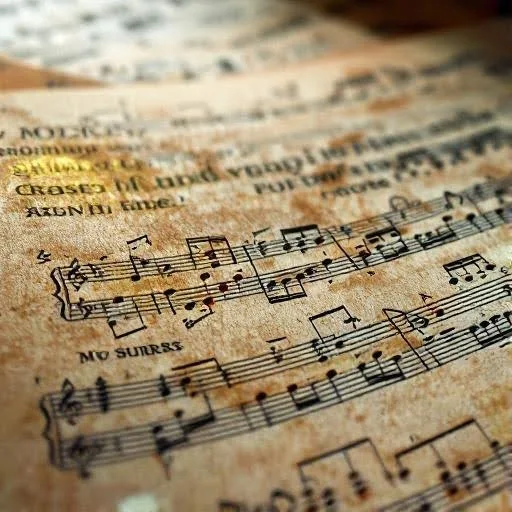
Sheet music libraries are more than collections of paper and notes—they’re custodians of our cultural heritage. Dating back centuries, these archives have lovingly preserved everything from Baroque masterpieces to contemporary compositions that might otherwise have been lost to time. When we open aged pages of sheet music, we’re not simply reading notes; we’re connecting with composers who poured their spirits into creating works that continue to move hearts across generations.
The preservation of these works tells our story as a musical community—chronicling how expressions of joy, sorrow, faith, and celebration have evolved while remaining fundamentally human at their core.
How Sheet Music Libraries Foster Community and Learning
At their essence, sheet music libraries create sacred spaces where musical growth happens naturally through shared resources. Young students discover pieces that challenge and inspire them. Families connect over intergenerational favorites. Church musicians find new expressions for timeless truths. These libraries function as gathering places—whether physical or virtual—where the language of music brings diverse people together in harmonious purpose.
“Music is the literature of the heart,” as one composer beautifully expressed. Sheet music libraries ensure this literature remains accessible to every heart seeking its comfort and challenge.
Types of Sheet Music Libraries You Can Access Today
Physical Sheet Music Collections: University and Public Libraries
Many don’t realize the treasure troves waiting in their local community. Public libraries often maintain substantial sheet music collections that cardholders can borrow freely. University libraries house even more extensive archives—many accessible to community members through visitor programs or special arrangements.
These physical collections offer tangible connections to music history. There’s something deeply moving about holding the same arrangement a musician might have used decades ago, seeing handwritten notations in margins, and feeling the weight of a beloved composition in your hands.
Digital Sheet Music Libraries and Their Growing Importance
The digital revolution has democratized access to musical compositions in unprecedented ways. Online sheet music libraries now provide instant access to millions of works—from centuries-old classics to contemporary pieces published last week.
Platforms like the International Music Score Library Project (IMSLP), MuseScore, and Sheet Music Plus have transformed how families and individuals discover music. A child in a remote location with limited resources can now access the same compositions available to students at prestigious conservatories, breaking down barriers that once limited musical growth to those with proximity to physical libraries.
Faith-Based Collections for Worship and Spiritual Growth
For those whose musical journey intertwines with faith, specialized collections provide resources that nurture both spiritual and musical development. Denominational libraries, worship resource centers, and digital platforms like Hymnary.org offer carefully curated selections that connect musical expression with deeper purpose.
These faith-oriented collections become invaluable resources for worship teams, helping congregations express devotion through thoughtfully selected compositions that elevate hearts and minds toward higher purposes.
How to Access Free and Subscription-Based Sheet Music Resources
Navigating Public Domain Collections
One of the greatest gifts to the musical community is the vast realm of public domain compositions—works whose copyright protection has expired, making them freely available to all. Within these collections, you’ll find timeless classics from Bach, Mozart, Beethoven, and countless others whose genius continues to inspire.
Navigating these resources requires understanding basic copyright principles: in the United States, works published before 1927 are generally in the public domain. Digital libraries like IMSLP clearly mark public domain works, making it simple to ethically access thousands of compositions without cost.
Family-Friendly Sheet Music Platforms for Learning Musicians
For families nurturing young musicians, specialized platforms offer pedagogically sound progressions through musical literature. Sites like Making Music Fun provide free sheet music specifically arranged for developing players, while subscription services like Piano Marvel and Musicnotes offer interactive learning experiences tied to sheet music.
These family-oriented resources understand that learning music isn’t just about technical proficiency—it’s about creating moments of joy, perseverance, and accomplishment that build character alongside musical skill.
Supporting Musicians Through Ethical Sheet Music Acquisition
While free resources abound, ethical musicians recognize the importance of supporting contemporary composers through legitimate purchases. When we acquire sheet music through authorized channels, we participate in a sacred exchange—honoring the creative work that enriches our lives and ensuring new compositions continue to emerge.
Consider subscription services like Sheet Music Direct or Musicnotes as investments not just in your musical library, but in the ongoing creation of beautiful new works that will inspire future generations.
Building Your Personal Sheet Music Collection
Organizing Your Family’s Musical Heritage
A personal sheet music collection becomes more than paper over time—it transforms into a musical autobiography. The pieces we gather mark milestones, celebrations, seasons of challenge and triumph. Organizing this growing library becomes an act of curation and reflection.
Consider creating physical or digital categories that reflect your musical journey: beloved classics that ground your technique, sacred pieces that have deepened your faith, compositions that marked family celebrations, works that challenged and grew your abilities.
Sharing the Gift of Music Across Generations
Perhaps the most beautiful aspect of building a sheet music collection is its power to connect generations. The lullaby you play for your child might be from the same sheet music your grandmother once used. The Christmas carol your family sings annually creates threads of memory and meaning that strengthen family bonds.
By thoughtfully building your collection, you’re creating a legacy that speaks volumes about what you value—beauty, discipline, expression, and the timeless language of melody that connects hearts when words fail.
Want to bring more music and meaning into your life?
Explore Tonioli’s piano sheet music, inspirational books, and heart-centered compositions. Whether you’re a music teacher, parent, or performer, there’s something here to uplift your soul.
Visit Tonioli.com and find the soundtrack to your journey.
Frequently Asked Questions (FAQs)
1. Are there free sheet music libraries available online?
Yes! Legitimate free resources include the International Music Score Library Project (IMSLP) which offers thousands of public domain works. MuseScore’s community also shares free arrangements, while many educational websites provide free beginner compositions. Always verify the copyright status to ensure ethical use of these wonderful resources.
2. How can I access university sheet music collections if I’m not a student?
Most university libraries offer community access options, though policies vary. Many allow local residents to obtain visitor passes or community borrower cards for a small fee. Special collections may require appointments, but librarians are typically delighted to assist community members genuinely interested in their musical archives.
3. What sheet music resources are best for beginning musicians in my family?
Look for age-appropriate collections with progressive difficulty levels. Websites like Making Music Fun and Easy Sheet Music offer free beginner arrangements. Method books with included sheet music provide structured learning paths. Consider illustrated sheet music for younger children, which makes the connection between notes and sounds more engaging through visual elements.
4. Are there sheet music libraries specifically for worship music?
Absolutely! Denominational headquarters often maintain extensive worship libraries. Digital resources like Hymnary.org catalog thousands of hymns and worship songs. Many churches participate in CCLI (Christian Copyright Licensing International), which provides access to contemporary worship music. Worship leader networks also frequently share resources and recommendations for seasonal and thematic worship music.
5. How can I contribute to preserving musical heritage through sheet music?
Consider donating well-preserved sheet music to local libraries or historical societies. Participate in digitization projects that make rare compositions accessible. Record performances of lesser-known works to bring them to new audiences. Share family musical traditions and compositions with younger generations. Each of these actions helps ensure beautiful music continues to inspire well beyond our lifetimes.
6. What’s the difference between physical and digital sheet music libraries?
Physical libraries offer tangible connections to music history—the experience of holding original editions, seeing handwritten notations, and browsing unexpected discoveries. Digital libraries provide unmatched convenience, instant access, transportability, and often include audio samples and interactive features. Both serve vital roles in the musical ecosystem, with many musicians finding value in combining approaches based on their specific needs.
7. How do I know if sheet music is in the public domain?
In the United States, works published before 1927 are generally in the public domain. International rules vary by country. Digital libraries typically indicate copyright status clearly. When in doubt, resources like Stanford University’s Copyright Renewal Database can help determine status. Remember that while a composition might be in the public domain, a specific arrangement or edition might still be under copyright protection.
Key Takeaways
- Sheet music libraries exist in both physical and digital formats, offering vast resources for musicians at all levels
- Many public and university libraries maintain extensive collections you can access for free
- Digital sheet music libraries have democratized access to rare and diverse musical compositions
- Building a personal sheet music collection creates a meaningful musical legacy for your family
- Faith-based sheet music collections offer specialized resources for worship and spiritual expression
- Supporting composers through proper sheet music acquisition honors the creative process