
Where Should a Beginner Piano Start?
Finding Your Perfect First Steps in Piano
When a beginner piano, they embark on a journey filled with discovery and growth. The piano stands as a beautiful gateway to the world of music—88 keys holding endless possibilities for expression, joy, and personal growth. If you’re a beginner starting piano and feel unsure where to begin, you’re not alone. The path to piano proficiency is deeply personal, filled with both challenges and moments of transcendent beauty. Let’s explore how to take those first meaningful steps toward making music a cherished part of your life.
How a Beginner Piano Should Start: Teacher or Self-Learning?
One of the most important early decisions in your piano journey is whether to find a teacher or begin on your own. Both approaches offer unique benefits worth considering for a beginner starting piano.
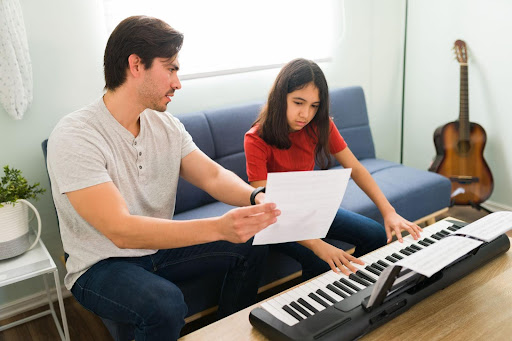
Working with a qualified piano teacher provides personalized guidance tailored to your learning style. A good teacher becomes both a mentor and cheerleader, identifying potential issues before they become habits and celebrating your progress in a way that builds confidence. They provide structure, accountability, and can help navigate the overwhelming number of concepts new pianists must learn.
Self-teaching, meanwhile, offers flexibility and can be more affordable initially. With the wealth of online resources, method books, and video tutorials available today, determined beginners can certainly make progress independently.
Selecting the Right Instrument for Your Beginner Piano Start
Your piano journey deserves an instrument that inspires practice while remaining practical for your situation. While a quality acoustic piano offers unmatched touch and tone, digital keyboards provide excellent alternatives with significant advantages for beginners.
• Weighted or semi-weighted keys that respond to different playing intensities
• At least 61 keys (though 88 keys prevents outgrowing your instrument quickly)
• A sustain pedal or pedal capability
• Good sound quality that makes practice enjoyable
Building a Foundation of Piano Fundamentals
Understanding Basic Finger Positions and Posture
The foundation of piano playing begins with how you physically approach the instrument. Proper posture creates the conditions for both technical development and preventing potential injuries.
Sit at the middle of the keyboard with your back straight but not rigid. Your feet should rest flat on the floor, and your bench height should position your forearms roughly parallel to the floor. Your wrists should maintain a neutral position—neither consistently flexed up nor dropped down.
For hand position, imagine holding a small apple in each hand to create a natural curve in your fingers. Your fingertips, not the pads of your fingers, should make contact with the keys. This curved position allows for both strength and agility as you progress.
Reading Music vs. Playing by Ear: Finding Your Balance
The ability to read musical notation and play by ear represent two complementary skills that enrich your beginner piano experience. Rather than viewing them as competing approaches, consider developing both from the beginning of your beginner piano journey. Basic music reading skills help you understand the universal language of music and access the vast library of written beginner piano compositions. Start with identifying landmark notes like middle C, then gradually expand outward to read more of the staff. Simultaneously, develop your ear by trying to play simple melodies you know well without sheet music. This practice strengthens the crucial connection between what you hear internally and what your fingers produce on the keyboard, which is essential for any beginner piano player. The most fulfilled beginner piano pianists develop both skills, using notation to learn new pieces while letting their ear guide the musicality and expression of their playing. With consistent practice, a beginner piano student will find that combining these skills creates a richer and more rewarding musical experience. Starting as a beginner piano player can feel overwhelming, but focusing on both sight-reading and ear training sets a strong foundation.
Creating a Nurturing Practice Environment for the Beginner Starting Piano
Setting Up Your Space for Inspiration and Focus
Your practice environment significantly impacts both the quality and consistency of your beginner piano time. Create a beginner piano space that calls to you even on days when motivation wanes. Position your instrument where natural light falls, if possible, and keep the area uncluttered and dedicated to your beginner piano musical growth. Consider surrounding yourself with visual reminders of why you’re learning—perhaps photos of pianists you admire or quotes about the power of music, especially those inspiring for beginner piano students. Ensure your music, method books, and practice journal remain easily accessible for your beginner piano sessions. Good lighting, a comfortable bench, and proper height adjustments prevent physical strain during longer beginner piano practice sessions. Remember that this space represents your commitment to your beginner piano development—a physical manifestation of the gift you’re giving yourself through learning beginner piano. Maintaining a dedicated beginner piano practice area encourages regular habits that lead to steady improvement.
Developing Consistent Practice Habits with Love
Consistency transforms the piano from an occasional hobby into a meaningful practice. Even 15-30 minutes daily yields dramatically better results than a single weekly session of several hours.
Approach practice with gentleness toward yourself, especially when you first begin. Set achievable goals for each session rather than focusing solely on time spent. For example: “Today I’ll master the first line of this piece” provides more motivation than simply “I’ll practice for 20 minutes.”
Track your progress in a practice journal, noting not just what you worked on but moments of breakthrough or joy you experienced. This record becomes invaluable during inevitable plateaus, reminding you how far you’ve come.
First Songs and Celebrations: Marking Your Progress as a Beginner Piano Student
Simple, Beautiful Pieces Every Beginner Can Master
Early success provides crucial motivation for continuing your piano journey. Many beautiful compositions remain accessible to beginners without sounding childish or overly simplified.
Consider starting with pentatonic pieces that sound harmonious even with occasional mistakes. Simple arrangements of folk melodies, hymns, or contemporary songs you recognize create immediate satisfaction. Method books typically introduce pieces that teach specific concepts while remaining musically satisfying.
As you master each piece, record yourself occasionally. These recordings become treasured markers of your progress and remind you that growth happens gradually but consistently when you commit to the process.
Embracing Mistakes as Part of Your Growing Journey
Perhaps the most important mindset for beginning pianists is viewing mistakes not as failures but as essential teachers. Every accomplished pianist began exactly where you are now, navigating through the same challenges of coordination, reading, and technique.
Remember that vulnerability is inherent in learning any instrument. Each time you work through difficulty, you develop not just musical ability but resilience that extends into other areas of life. Every beginner starting piano faces these challenges—they’re not just normal, but necessary for growth.
Want to bring more music and meaning into your life?
Explore Tonioli’s piano sheet music, inspirational books, and heart-centered compositions. Whether you’re a music teacher, parent, or performer, there’s something here to uplift your soul.
Visit Tonioli.com and find the soundtrack to your journey.
Frequently Asked Questions
- Do I need a full-sized piano to start learning?
No—a quality digital keyboard with at least 61 weighted keys provides an excellent starting point for beginners. Many students successfully learn on keyboards for years before transitioning to acoustic pianos.
- How often should a beginner practice piano?
Short, daily practices of 15-30 minutes are more beneficial than one long weekly session, nurturing both skill and love for music. Consistency matters more than duration, especially at first.
- What age is best to start learning piano?
Piano can be learned at any age! Children often start around 5-7 years old, but adults bring unique advantages of discipline and musical appreciation. Your perfect starting age is simply whenever you feel called to begin.
- Should I learn to read music right away or start with playing by ear?
A balanced approach—learning basic notation while also developing ear training—creates the most well-rounded musical foundation. Both skills complement each other and enrich your musical experience.
- What are the best beginner piano books or resources?
Method books like Alfred’s Basic Piano Library or Faber’s Piano Adventures provide structured, supportive learning paths. Additionally, apps like Simply Piano or websites like Hoffman Academy offer excellent supplementary resources.
- How do I know if I’m making progress as a beginner pianist?
Beyond simply playing more complex pieces, notice improvements in your sight-reading, rhythm consistency, and ability to play expressively with feeling. True progress also appears as increased comfort and joy while playing.
Key Takeaways
- Begin with proper fundamentals like posture and hand position to build a strong foundation
- Consider starting with a teacher who can provide personalized guidance and feedback
- Create a consistent practice schedule of 15-30 minutes daily rather than occasional long sessions
- Choose appropriate beginner sheet music that balances challenge with achievability
- Remember that everyone learns at different paces—your musical journey is uniquely yours
- Celebrate small victories to maintain motivation and build confidence