
Where Should You Start When Learning Piano as a Beginner?
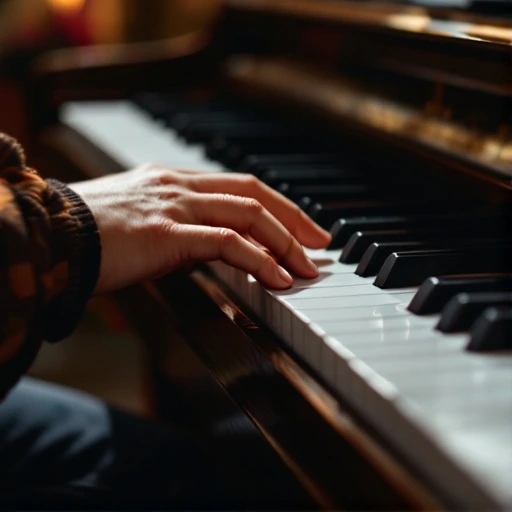
Foundational First Steps for a Joyful Musical Journey
Where should a beginner start piano? It’s a question asked by students, parents, and teachers all over the world. The good news is that starting piano doesn’t require years of experience—just a thoughtful beginning.
The answer to where should a beginner start piano lies in setting up a supportive learning environment, choosing the right songs, and embracing a mindset of exploration. Whether you’re learning as a child or adult, at home or in a classroom, how you begin can shape your entire musical path.
Where Should a Beginner Start Piano: Getting the Basics Right
The first step in answering where should a beginner start piano is understanding the essentials. From posture to hand placement to note recognition, everything matters in building a strong foundation.
Learn the Layout of the Keyboard
Understanding the keyboard is a core element. A beginner should learn:
- Where middle C is located
- The pattern of black keys (groups of 2 and 3)
- The names of the white keys (A–G)
Where should a beginner start piano if they’ve never touched a key before? With identifying notes and practicing finger numbers.
Posture and Hand Position
Proper form helps avoid strain and supports better technique:
- Sit with a straight spine
- Keep feet flat on the ground
- Curved fingers and relaxed wrists over the keys
Where should a beginner start piano physically? With relaxed, balanced posture—it promotes comfort and confidence.
Learn Simple Rhythms and Finger Exercises
Before diving into full songs, beginners should practice:
- Quarter notes and whole notes
- Five-finger scales
- Finger coordination drills
Starting slow makes complex songs easier later on.
Where Should a Beginner Start Piano: Choosing the Right Songs
Song choice deeply influences motivation. Where should a beginner start piano repertoire-wise? With familiar, emotionally resonant tunes.
Best First Songs for Beginners
- “Twinkle Twinkle Little Star”
- “Mary Had a Little Lamb”
- “Ode to Joy”
- “Row, Row, Row Your Boat”
These songs have:
- Simple rhythms
- Repetition for memory
- Emotionally uplifting melodies
Starting with songs you know and love makes the journey more enjoyable.
Where Should a Beginner Start Piano: Tools That Make Learning Easier
The right tools answer the question of where should a beginner start piano in a supportive and structured way.
Piano Apps and Online Tutorials
Digital tools like Simply Piano, Flowkey, and YouTube tutorials provide accessible guidance. These are ideal for visual and auditory learners.
Beginner Piano Books
Books such as Alfred’s Basic Piano Library or Faber’s Piano Adventures introduce core concepts at a gentle pace.
A Supportive Teacher or Parent
Whether online or in-person, a teacher’s encouragement answers where should a beginner start piano emotionally—by making students feel seen and celebrated.
Where Should a Beginner Start Piano: Spiritually and Emotionally
Learning piano isn’t just about technique. Where should a beginner start piano in the heart? With purpose, joy, and grace.
Playing music can become a form of worship, reflection, or family bonding. Faith-based families can start with hymn melodies or devotional themes that create meaningful practice moments.
Piano becomes more than a skill—it becomes an extension of one’s soul.
Every Musical Journey Begins with a Single Note
The answer to where should a beginner start piano is both practical and personal. Start with a few familiar notes. Add patience. Sprinkle in encouragement. And soon, a simple melody grows into something beautiful.
Whether you’re guiding a child, teaching yourself, or reigniting an old passion, know this: the best time to start is now, and every great musician was once a beginner.
Want to bring more music and meaning into your life?
Explore Tonioli’s piano sheet music, inspirational books, and heart-centered compositions. Whether you’re a music teacher, parent, or performer, there’s something here to uplift your soul.
Visit Tonioli.com and find the soundtrack to your journey.
Frequently Asked Questions
1. Where should a beginner start piano if they’ve never played before?
Begin by learning the layout of the keys, hand position, and a few simple rhythms.
2. What are the best first songs for beginners?
“Twinkle Twinkle Little Star,” “Mary Had a Little Lamb,” and “Ode to Joy” are excellent starter pieces.
3. Do I need a teacher to start piano?
While helpful, you can also start with self-guided books, apps, and online tutorials—especially in the early stages.
4. Where should a beginner start piano practice at home?
Set up a quiet space with good lighting and a properly adjusted bench or chair to encourage focus and form.
5. What kind of piano should a beginner use?
A full-size keyboard with weighted keys is ideal, but even a smaller digital piano works fine for early learning.
6. How long should beginners practice?
Start with 15–30 minutes a day. Consistency is more important than duration in the early stages.
7. Can adults start piano later in life?
Absolutely. The principles are the same, and many adults find emotional healing and joy through learning piano.
8. How do I stay motivated when learning?
Choose songs you love, celebrate small wins, and keep your goals faith- and family-centered to stay inspired.
Key Takeaways
- Where should a beginner start piano? With posture, keyboard familiarity, and simple rhythms
- The first songs should be familiar and emotionally rewarding
- Using apps, books, and encouragement makes the process smoother
- Piano practice should be a joyful and meaningful experience
- Starting with purpose lays a foundation for lifelong connection to music