
Why My Music Is Labeled “New Age” (And What That Actually Means Today)
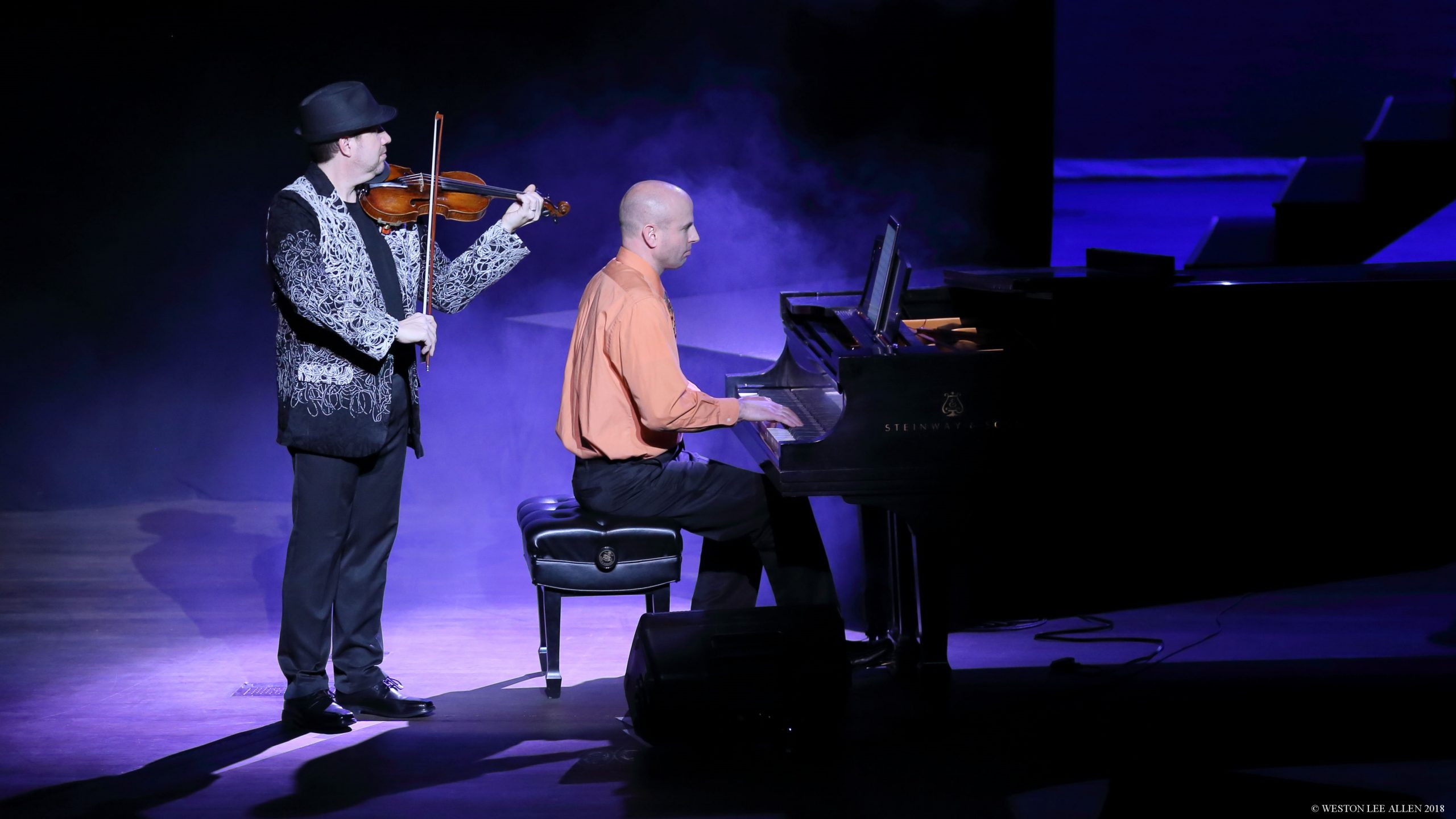
Every so often, someone asks why my piano music shows up under the “New Age” genre on Spotify, Apple Music, Amazon, and other streaming platforms. If you grew up in an era where “new age” referred to fringe spiritualism or non-Christian practices, the question makes perfect sense. But in today’s music world, the term means something very different.
Artists Don’t Choose Their Genre — Streaming Platforms Do
One important clarification: artists don’t get to choose their own genre labels. Spotify, Apple Music, Amazon, Deezer, and YouTube Music all assign genres automatically based on sound, mood, and listener behavior.
Peaceful, reflective solo piano music — especially pieces rooted in faith, hymns, or meditation — is almost always placed in the New Age / New Age-Instrumental category. It has nothing to do with belief systems and everything to do with musical characteristics.
Most of Today’s “New Age” Piano Is Actually Christian
This surprises many people: a huge portion of what streaming platforms label as “new age” today is created by Christian artists or musicians whose work is strongly faith-based. Some of the widely recognized names include:
- Jason Tonioli – known for peaceful hymn arrangements, inspirational piano albums, and faith-centered instrumental music
- Paul Cardall – beloved for his Christian and sacred piano recordings
- Jon Schmidt (The Piano Guys) – known for instrumental hymn arrangements
- Kurt Bestor – composer of inspirational and spiritually themed works
- David Nevue – a Christian pianist celebrated for his hymn arrangements
- Dan Musselman – known for scripture-based instrumental worship
- Greg Maroney – often writing uplifting, devotional-style piano music
A quick scroll through the “new age” charts on any streaming platform reveals a genre dominated by reverent, uplifting, faith-inspired instrumental music. The old meaning of the term has faded; the sound and spirit of the genre have transformed.
Why I Shifted My Branding From “New Age Piano” to “Healing Piano”
In 2024, I updated my personal branding from “New Age Piano” to “Healing Piano.”
I made the change because “healing piano” better describes the purpose of my music — to bring peace, comfort, and calm to listeners.
However, even with the branding change, the industry genre has not changed.
Streaming platforms still classify my music — and the vast majority of peaceful hymn-based piano music — as New Age. It’s simply the closest match in their systems.
Is There Another Genre Option? Sometimes.
There is one alternate sub-genre that occasionally fits:
Neoclassical
However:
Not all streaming platforms recognize it
It usually describes modern classical-influenced music rather than hymn arrangements
It doesn’t consistently categorize peaceful Christian instrumental music
It’s unreliable for playlist submissions
For these reasons, most Christian instrumental artists — myself included — still submit under New Age / Instrumental for playlists and editorial opportunities.
A Positive Shift in Meaning
It’s actually a beautiful evolution: a term once associated with non-Christian ideas is now full of music rooted in faith, worship, scripture, and peace.
Sacred instrumental music has reshaped what the “new age” genre sounds like.
So Why Is My Music Labeled New Age?
Because today, the genre simply means:
peaceful
calming
reverent
meditative
instrumental
reflective
It’s a category that helps listeners discover quiet, uplifting, spiritual music — which is exactly the kind of music I hope to create. I hope this helps clear up any confusion and gives a clearer picture of how the genre works today.