
Can You Learn Piano with Just Easy Sheet Music and No Teacher?
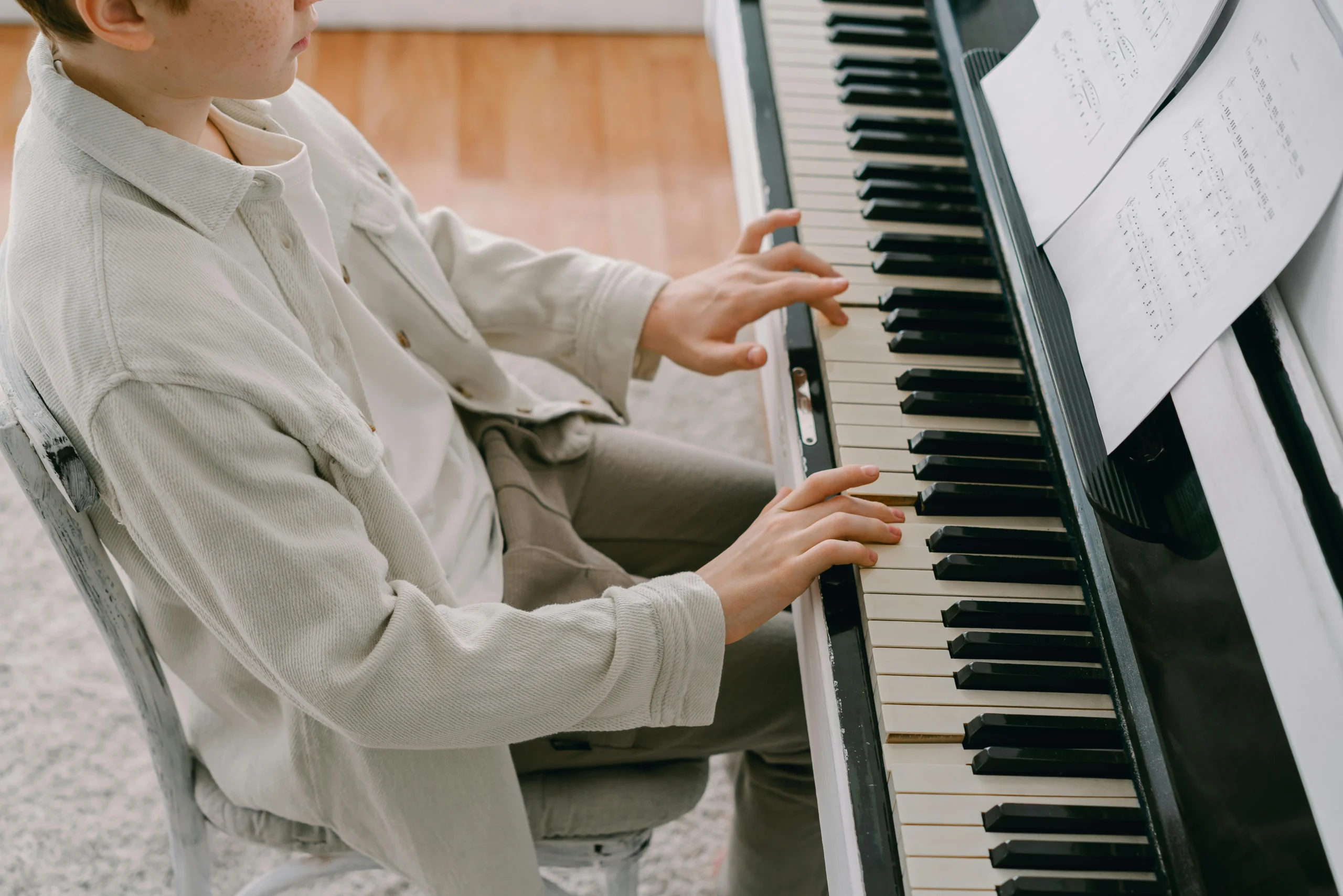
How to Master Piano Without a Teacher: Your Complete Guide
If you’ve ever wondered, “Can you learn piano with just easy sheet music and no teacher?,” you’re definitely not alone. Many beginners feel excited about the idea of teaching themselves, yet they’re not sure whether following a few musical notes on the page is enough. The good news is that self-led learning is possible, especially when you start with the right approach and keep your enthusiasm alive. Let’s unpack the essentials of making steady progress on your own.
Begin with the basics
Start by familiarizing yourself with the notes, staff lines, and rhythms that appear on piano sheet music. In case you need a quick crash course, consider checking out how to read easy piano sheet music for beginners?. This gives you a great foundation in reading simple melodies and understanding where your fingers are supposed to go.
- Note names: Middle C is often the anchor for beginners.
- Rhythm: Focus on common time signatures like 4/4 first, making sure each beat feels steady.
- Finger numbering: Piano music typically labels which finger goes on which note.
When you feel comfortable naming notes and mapping them to the piano, you’ll be more confident interpreting any piece you pick up.
Practice in small, steady steps
Learning the piano is a journey, and part of that journey involves taking short, focused steps. Even self-directed practice must be consistent. Regularly set aside 15-20 minutes each day to play through your chosen piece of easy sheet music. If that piece feels too tricky, don’t be afraid to slow down and tackle just a few measures (segments of the music) at a time.
- Start super slow: Accuracy matters more than speed.
- Use a metronome (physical or app-based) to keep a reliable tempo.
- Celebrate little wins, like hitting all the right notes in one measure.
Over time, these small bursts of practice add up, helping you form muscle memory and building your confidence.
Identify and tackle tricky measures
No matter how easy the arrangement might seem, certain parts of a piece can cause you to stumble. Circle those tricky spots on your music, and isolate them in your practice routine. Loop the same few notes and give yourself time to figure out where the challenge lies. Is your finger placement off? Do you need to focus more on rhythms? By zooming in on those details, you’ll smooth out the bumps faster than by just playing the entire piece from start to finish.
Explore new heights with easy piano sheet music
One of the greatest things about working through easy piano sheet music is that you’re never short on options. You might explore different genres, from classical tunes to pop hits. If you want to find more variety, you can visit what are the best sites for easy piano sheet music downloads?. Mixing up your selections keeps learning fun, helps your fingers adapt to fresh melodies, and broadens your musical tastes.
Tips for broadening your repertoire
- Switch musical style every few weeks (jazz, movie themes, classical).
- Choose songs you genuinely love, so you look forward to practicing.
- Test out short preludes or simplified pop anthems.
When you keep exploring fresh material, your skills won’t stay stagnant. Plus, it’s rewarding to see how your reading and playing improve from one piece to the next.
Keep your motivation high
Self-guided learning can sometimes feel lonely. Without a teacher’s nudge, you might lose motivation when you hit a rough patch. That’s perfectly normal. Give yourself micro-goals, like mastering eight bars of a new song, or committing a short piece to memory. You can also record yourself playing. Listening back might reveal small mistakes you didn’t catch initially, and you’ll be proud when you notice improvements over time.
Another great tactic is to join online forums or social media groups of fellow pianists. You’ll find tons of tips on posture, technique, and even which easy piano sheet music might be the best next step on your journey. Sharing achievements and struggles with others fosters a sense of camaraderie, making your practice sessions more fun and interactive.
Embrace printable options and resources
Thanks to the digital age, you have numerous ways to get your hands on printable piano sheet music. Many websites let you download simplified versions of popular songs or timeless classics. This convenient approach allows you to focus on your own pace, and you can rearrange pages or mark them up with personal notes. It’s reassuring to refer to a printed copy on your stand or table while you’re practicing, without juggling apps or screen glare.
Whether you’re a fan of classical, jazz, or top-chart hits, chances are there’s a printed (or printable) arrangement ready for you to explore.
Consider extra resources for technique
Although self-teaching can be quite effective, you might still benefit from supplemental tools like online video tutorials. Watching an expert’s fingers on the keys gives you a clearer picture of hand and wrist positioning. If your piece is more advanced, you can check out demonstration videos or read quick tips from seasoned pianists in community forums. Those extra resources can fill the role of a teacher’s guiding hand just enough to keep you headed in the right direction.
Final thoughts: Can You Learn Piano with Just Easy Sheet Music and No Teacher?
You might be wondering, can you learn piano with just easy sheet music and no teacher? The answer is yes! It is absolutely possible with the right mindset, patience, persistence, and consistent practice. There’s no one-size-fits-all method to becoming a confident pianist, but finding a learning style that works for you whether going slow and steady or branching out to varied pieces to keep things fresh will help you make steady progress. Each small goal you tick off brings you one step closer to mastering your next piece.
Keep your sheet music close, practice regularly, and don’t forget to give yourself a pat on the back every once in a while. You’ll be surprised at how quickly you can learn piano with just easy sheet music and no teacher, turning a few notes on the page into real, beautiful music. If you’re ever craving more tips, feel free to explore different resources, connect with fellow piano enthusiasts, and keep exploring new sheet music. Before you know it, you’ll be tackling tunes you once thought were out of reach. Enjoy the journey!
Want to bring more music and meaning into your life?
Explore Tonioli’s piano sheet music, inspirational books, and heart-centered compositions. Whether you’re a music teacher, parent, or performer, there’s something here to uplift your soul.
Visit Tonioli.com and find the soundtrack to your journey.
Frequently Asked Questions
1. What Are the Best Sites for Easy Piano Sheet Music Downloads?
Popular sites include IMSLP, 8Notes, MuseScore, and Piano Nanny. These platforms offer free and paid options with simplified arrangements perfect for beginners learning independently.
2. How to Read Easy Piano Sheet Music for Beginners?
Start by learning note names, focusing on Middle C as your anchor point. Practice identifying staff lines, understand basic rhythms like 4/4 time, and familiarize yourself with finger numbering systems used in piano music.
3. Where Can I Find Free Easy Piano Sheet Music for Popular Songs?
Check out MuseScore, IMSLP, and 8Notes for free arrangements of popular songs. Many sites offer simplified versions of current hits and classic favorites specifically designed for beginner pianists.
4. Can You Learn Piano with Just Easy Sheet Music and No Teacher?
Yes, you can learn piano using easy sheet music combined with online tutorials and resources. However, occasional check-ins with an experienced pianist can help prevent bad habits and provide personalized feedback that sheet music alone cannot offer.
5. What Are the Easiest Songs to Learn on Piano with Sheet Music?
Start with familiar songs like “Twinkle, Twinkle, Little Star” and “Happy Birthday.” Simple classical pieces like Bach’s “Minuet in G” and Beethoven’s “Ode to Joy” are excellent, along with beginner arrangements of popular songs like “Let It Be” or “Imagine.”
Key Takeaways
- Self-teaching piano is absolutely possible with easy sheet music, patience, and consistent daily practice of 15-20 minutes.
- Master the fundamentals first – learn note names, staff lines, basic rhythms, and finger numbering before tackling complex pieces.
- Practice strategically by starting slow, using a metronome, and isolating difficult measures rather than playing entire pieces repeatedly.
- Stay motivated by setting micro-goals, exploring different musical genres, and connecting with online piano communities for support and inspiration.