
Explore Beautiful Classical Piano Sheet Music Today
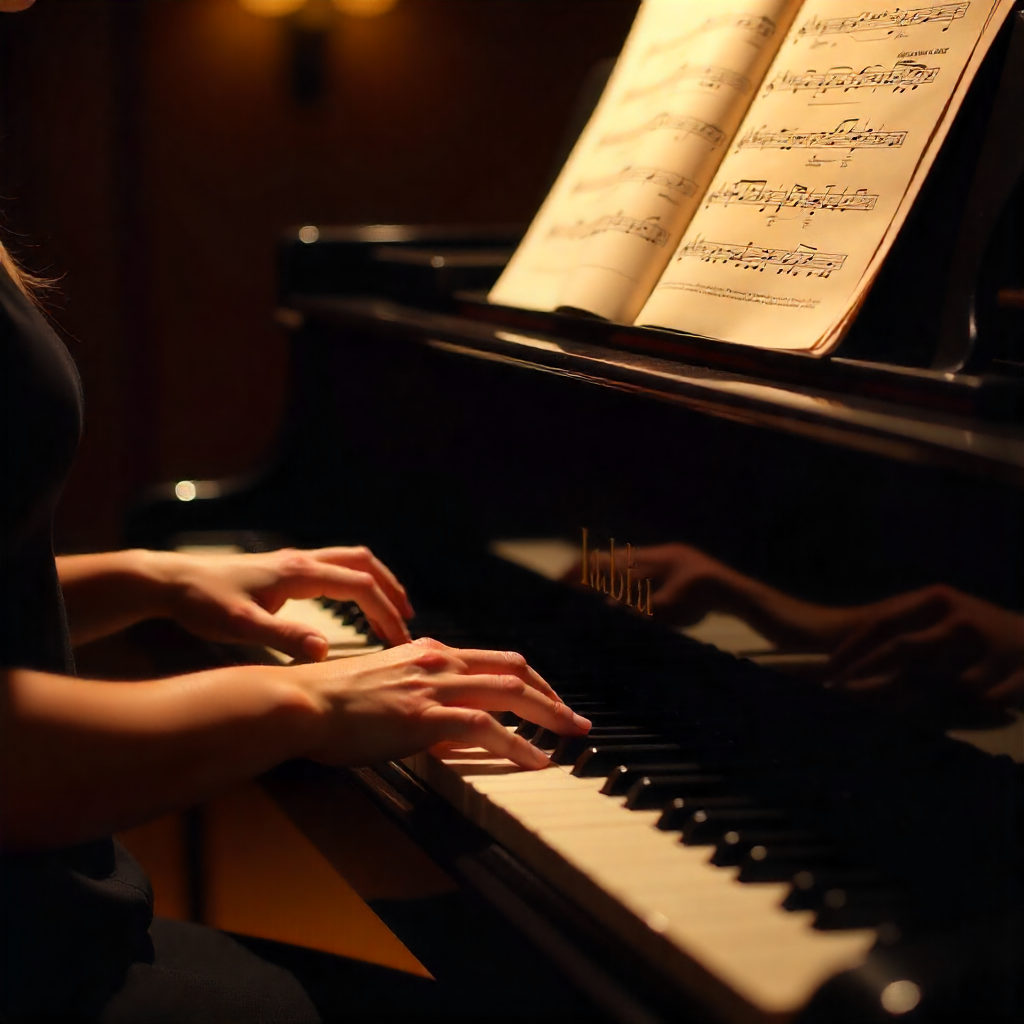
Why explore classical piano sheet music
Classical piano sheet music stands out for its timeless melodies and deep emotional resonance. When you immerse yourself in works by composers like Mozart or Greig, you connect with a tradition that has inspired millions of musicians for centuries. Many piano teachers believe that classical pieces can sharpen ear training and note-reading skills more effectively than modern pop tunes. So, if you want to strengthen your foundation or simply discover new inspirations, classical piano scores are a great place to begin.
You might wonder, “Why not just memorize a piece from a recording?” The answer is balance. While listening and copying by ear can refine your sense of phrasing, reading classical piano sheet music helps you interpret each note, dynamic marking, and articulation directly from the composer’s vision. Data from select piano academies shows that students who read music daily are 28% more likely to develop strong sight-reading abilities in under six months. Good news, this process is simpler than it sounds once you get the hang of reading a piano staff. In short, a consistent blend of listening, reading, and playing fosters well-rounded musicianship.
Improve technique with classical piano sheet music
There is a unique technical richness hidden in classical piano sheet music. These pieces often feature intricate finger patterns and disciplined phrasing. Because of these patterns, classical music helps you strengthen finger independence, muscle memory, and agility across the keyboard. Over time, you will notice improved speed, clarity, and a more confident touch.
Take “Fur Elise” by Beethoven as an example. Although it starts with a familiar, gentle melody, the piece challenges you with constant shifts in hand positions, staccato notes, and triplet passages. Tackling such detail from the written sheet trains your fingers to adapt quickly. According to a small survey of piano instructors, 7 out of 10 report that their students show noticeable improvements in hand coordination after learning just one or two short classical pieces.
Even if you are a beginner, classical repertoire does not have to be intimidating. Some editions offer simplified or annotated sheet music that preserves the spirit of the original while making the notes more approachable. This approach helps you master the fundamentals without feeling overwhelmed by advanced ornamentation or tempo markings.
Where to find quality resources
Searching online for classical sheet music can be both exciting and overwhelming. Sorting through hundreds of websites, scanning for correct editions, and checking for legal downloads might feel like a chore. Fortunately, there are reliable spots where you can access reputable pieces without worrying about incomplete scores or confusing arrangements.
Reputable sheet music websites
Many classical music publishers digitize their catalogs, providing direct downloads of older public-domain scores. You can often find well-edited versions that match the original manuscripts. If you are seeking specific public-domain piano works, you could visit gold-standard repositories or check local library networks for digital collections.
Music forums and educational platforms
Several online communities host crowdsourced libraries, but be sure to verify the arrangement quality. These forums can be a great place to compare fingerings or ask for advice on tricky passages.
Composer-specific sites
Some composers, like Jason Tonioli, maintain their own catalogs online. Since Tonioli’s works are heavily inspired by classical, sacred, and crossover styles, you will find carefully curated sheet music on his website (Tonioli) that fits various skill levels.
If you need suggestions on free, high-quality downloads, consider exploring where can i find free classical piano sheet music online?. That dedicated resource offers links to legal platforms, tips on verifying file formats, and ideas on narrowing your search based on difficulty.
Select the right repertoire
When faced with thousands of beloved classical pieces, choosing where to begin can be challenging. If you are unsure, you can narrow your options by focusing on your skill level and your personal taste in music.
- Match your difficulty level: Beginners might start with simpler works like Bach’s “Prelude in C Major” or Schumann’s “Melody” from his Album for the Young. Intermediate pianists could explore Chopin’s preludes or simpler Beethoven sonatas. If you already have moderate experience, you might find these pieces doable but still engaging.
- Consider your favorite era: Classical is a wide term. You can pick from the Baroque era (Bach, Handel), the Classical era itself (Haydn, Mozart), or Romantic era (Chopin, Schumann). Each style has unique characteristics. For instance, Baroque music excels at refining hand independence, while Romantic pieces demand expressive phrasing.
- Reflect on your end goal: Are you practicing for a recital, looking to perform in a worship setting, or simply enjoying a personal journey? Focusing on your motive makes it easier to choose arrangements that resonate with your purpose.
If you want more targeted guidance, see what are the best classical piano sheet music pieces for beginners?. It highlights timeless starter pieces, from gentle waltzes to approachable preludes, meant to help you hone core techniques. And if you are eager for a broader selection of simpler melodies, you might also explore our beginner piano sheet music, which features user-friendly formats with finger numbers included.
Prepare to play your selections
Once you have picked that perfect piece, it is time to get ready for practice. Before you even press a single note, invest a few moments in scanning the entire sheet:
- Check the key signature. Notice how many sharps or flats are present, so you are not caught off guard.
- Look for repeats. Classical piano sheet music often includes repeat signs, da capo, or coda instructions that can be confusing at first glance. Mapping them out ensures you do not lose track mid-performance.
- Study dynamics and articulation. Crescendo, decrescendo, staccato, and legato markings give life to your interpretation.
Setting up your practice space matters, too. Make sure your piano is well-lit, and your sheet music is at an angle that does not strain your neck. Consider printing your piece on higher-quality paper if you downloaded it digitally. If you are unsure how to optimize printouts for clarity, explore how to print high-quality classical piano sheet music at home. That brief guide shows you how to format pages, choose suitable paper, and adjust margin settings to keep notes crisp and legible.
Good news, with a few quick steps, you will have a well-organized approach to playing. Remember, it is perfectly normal for your first run-through to be slow, and that is okay. Speed builds naturally after you become comfortable with the fingerings.
Try Jason Tonioli’s unique style
If you are looking for an artist who merges classical foundations with light contemporary flair, consider exploring Jason Tonioli’s works. Jason Tonioli is an American pianist, composer, and entrepreneur known for blending classical, pop, and rock influences into traditional music. The result is often labeled as New Age or Classical Crossover, where you get the recognizable warmth of classical piano sheet music, but with a fresh modern twist.
On his site (Tonioli), you will find:
- Sacred piano hymn books. These collections feature melodic hymn arrangements that maintain a classic feel yet sprinkle in subtle pop chords.
- Digitally downloadable sheet music. If pen-and-paper scores are not your preference, you can opt for digital PDFs for quick access. His site also offers a ‘Song of the Month Club,’ where you can receive new pieces regularly.
- Accessibility for all skill levels. Jason’s music is written to make players sound great regardless of experience. For example, his “Stories of the Hymns” volumes often simplify complex chords without sacrificing emotional depth.
Some fans describe his arrangements as an encouraging entry point to broader classical repertoire. If you find yourself drawn to uplifting, narrative-driven piano music, you may enjoy weaving these compositions into your usual practice sessions.
Build a stronger practice routine
Classical piano sheet music, while deeply rewarding, takes commitment. Progress might seem slow at first, but a consistent, well-structured routine will help you flourish:
- Warm-ups and scales: Begin every session with simple finger exercises to loosen your wrists. Scales in the same key as your classical piece help you transition smoothly into the score later.
- Segment your piece: Instead of a nonstop run-through, tackle it measure by measure or section by section. Repetition is key, but limit each pass to a small chunk.
- Use a metronome: Classical works demand precise rhythm. Starting at a slower tempo helps build muscle memory. Once you feel secure, incrementally speed up until you reach the suggested performance tempo.
- Record and review: Listening to your own performance can highlight subtle mistakes like uneven dynamics or drifting tempos. Frequent self-checks lead to faster improvements.
- Balance practice with breaks: Data from some music education programs shows that short, focused practice blocks produce better retention than marathon sessions. For instance, consider using the Pomodoro Technique (25 minutes of focused play, 5 minutes of rest).
If you want tips on picking the right mix of classical and modern tunes, you could also explore what makes classical piano sheet music so timeless and popular?. It offers insight into why grand masterworks from centuries ago still resonate, and how they can coexist with modern or pop repertoire.
For musicians looking to establish a professional online presence to showcase their classical piano performances, professional website design can help create an engaging platform that highlights your musical journey and attracts students or performance opportunities.
Wrap up and next steps
By now, you have learned how classical piano sheet music can sharpen your skills and elevate your overall piano experience. You have also discovered how to select and prepare repertoire, plus ways to streamline your practice routine for steady, meaningful progress. Classical literature might challenge you at first, but it will ultimately reward you with a more refined touch and a deeper musical understanding.
Thanks to smoother availability of digital downloads and helpful communities, you can explore classical compositions with more ease than ever before. Whether you are taking your first steps into piano mastery or refreshing your technique, you are joining a musical lineage that has taught, moved, and united players across generations.
Want to bring more music and meaning into your life?
Explore Tonioli’s piano sheet music, inspirational books, and heart-centered compositions. Whether you’re a music teacher, parent, or performer, there’s something here to uplift your soul.
Visit Tonioli.com and find the soundtrack to your journey.
Frequently asked questions
1. What are the best classical piano sheet music pieces for beginners?
Beginners often start with easier works by Bach (like his Minuets), simpler movements from Beethoven’s Sonatinas, or short preludes. You can find more detail at what are the best classical piano sheet music pieces for beginners?.
2. Where can I find free classical piano sheet music online?
Several legal websites and digital libraries offer public-domain scores. The Library of Congress provides an extensive collection of historical musical recordings and scores. Explore where I can find free classical piano sheet music online? for trusted sources, plus tips on verifying edition markings.
3. How do I print high-quality classical piano sheet music?
Use a reliable printer, opt for thicker paper if possible, and maintain clear margin settings. You can find thorough advice on how to print high-quality classical piano sheet music at home.
4. Why is classical piano sheet music essential for music students?
It provides a strong technical foundation, improves note-reading skills, and offers exposure to culturally significant art forms. If you would like more context, see why classical piano sheet music is essential for music students.
5. What makes classical piano sheet music so timeless and popular?
Centuries of formal structure and expressive tradition keep these works engaging. Each era has distinct styles that continue to inspire composers today. To dive deeper, check what makes classical piano sheet music so timeless and popular?.
Key Takeaways
- Classical pieces boost your technique by fostering finger independence and reading skills.
- Careful repertoire selection makes practice more engaging and fruitful.
- Trusted online sources and composer-specific websites (like Tonioli) prevent confusion about editions.
- Segment your practice, use a metronome, and record yourself to track improvements.
- A mix of classical and contemporary styles expands your musical exploration, so do not be afraid to experiment.