
Is It Legal to Use Free Piano Sheet Music for Performances?
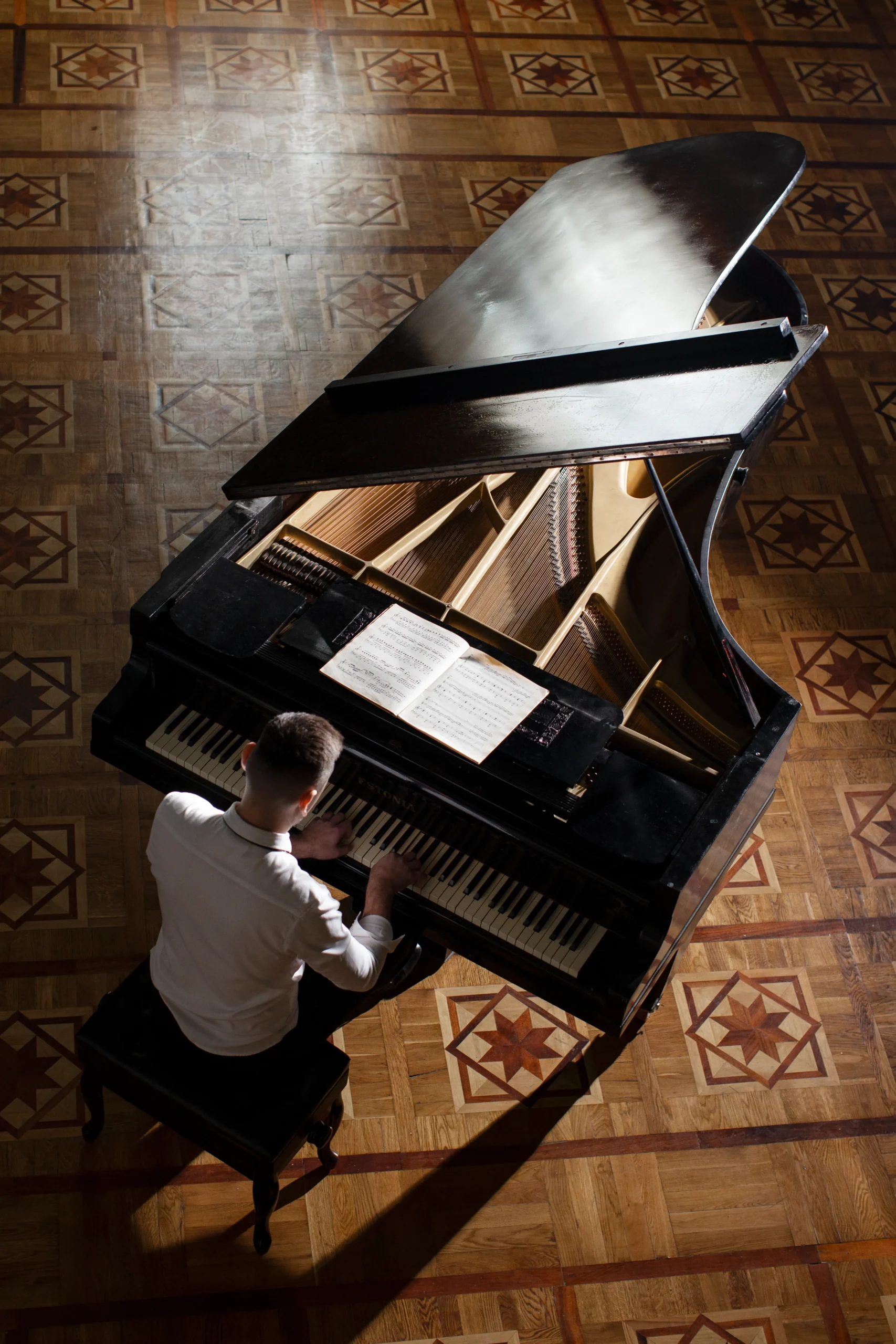
Is It Legal to Use Free Piano Sheet Music for Performances? Know Your Rights
If you have ever asked yourself, “Is it legal to use free piano sheet music for performances?” you are not alone. Many music enthusiasts rely on easily accessible sheet music yet worry about breaking copyright rules. The short answer: your rights vary depending on the sheet music’s ownership and license. The good news, though, is that you can uncover perfectly valid ways to use free piano sheet music at shows without stepping into legal trouble.
Learn the basics of copyright
Copyright law safeguards the original work of composers from the time it is created. In many regions, these rights last for the composer’s lifetime plus 70 years. After that period, the music typically enters the public domain, making it free for anyone to use, copy, and perform without extra licenses.
In practical terms, this means if you find a piece of piano sheet music listed as “public domain,” you can usually perform it publicly without seeking permission. Whenever you see modern songs offered for free, approach with caution. Music less than a century old is often still under copyright. Always check the publishing date and confirm whether the composer’s estate or another party controls ongoing rights.
Determine when free is truly free
Not all “free” music is the same. Sometimes, websites offer creative commons works, which are compositions the owner has released for public use—but often with certain conditions, such as attributing the composer or sharing under identical terms. Other sources may provide free piano sheet music as a teaser but restrict you from distributing it or modifying it.
- Public domain works: These are the safest bet for performances. Classical pieces by composers like Bach, Beethoven, or Mozart frequently fall into the public domain. If you want to explore more public domain material, you can visit resources like free piano sheet music on our site, or see whether historical compositions are listed at recognized archives.
- Creative commons freebies: Many modern composers share free sheet music. However, you might have to credit them before your show, or avoid selling any recording. Check the creative commons license attached so you understand all the terms.
Secure any needed performance rights
Even if you have the sheet music itself, larger events often require performance licenses. Organizations like ASCAP, BMI, or PRS grant licenses that cover the right to publicly perform music. For smaller recitals, you probably do not need special approvals, especially if the venue already holds a blanket performance license. For bigger events, ask the venue’s manager whether they have a license in place.
In addition, if you are thinking of streaming or broadcasting your performance, double-check streaming guidelines. Many music collectors or publishers require more specific licenses for online or recorded showcases. Confirming your legal standing ahead of time will keep your performance worry-free and let you focus on playing.
Be mindful of source credibility
Unfortunately, it is easy to stumble across questionable websites that claim to offer free piano sheets for popular songs still under copyright. Before you download anything, look for disclaimers or trust signals. If a site does not mention terms of use or any licenses, your best option might be to browse a more reliable collection. You will find plenty of classical scores at where can i find free classical piano sheet music online?, which points you to legitimate public domain pieces.
When in doubt, consider turning to official publishers or aggregator sites you trust. Many of their selections can be downloaded at no cost, often because the instrumentals are older works that lost copyright protection decades ago. If your performance includes modern or pop tracks, visit where can i buy or download popular piano sheet music legally? to ensure you are in compliance.
Legal Guidelines: Is It Legal to Use Free Piano Sheet Music for Performances?
Is It Legal to Use Free Piano Sheet Music for Performances? It takes a little research, but you can confidently and legally use free piano sheet music at your next performance. Start by confirming whether a piece is in the public domain or shared under a license that grants free, public use. When music is still under copyright, check for performance rights or rely on a venue’s existing license. If you see no clear source, look for reputable websites that display usage rules openly. By staying aware of these factors, you will save yourself from unexpected headaches and play with peace of mind.
Want to bring more music and meaning into your life?
Explore Tonioli’s piano sheet music, inspirational books, and heart-centered compositions. Whether you’re a music teacher, parent, or performer, there’s something here to uplift your soul.
Visit Tonioli.com and find the soundtrack to your journey.
Frequently Asked Questions
1. What Are the Easiest Songs to Learn from Free Piano Sheet Music?
The blog doesn’t directly list specific easy songs, but it suggests that public domain works by classical composers like Bach, Beethoven, or Mozart are safe and often accessible for free. Many of these classical pieces are available in simplified arrangements, making them ideal for beginners. By choosing public domain scores from reputable sources, you can find easier versions that match your skill level without worrying about copyright issues.
2. How Do I Read Free Piano Sheet Music as a Beginner?
While the blog doesn’t provide a step-by-step reading guide, it emphasizes the importance of starting with legitimate, trustworthy sheet music sources. Beginners should select arrangements that are clearly labeled and match their skill level, often found in public domain or creative commons collections. These safer, well-documented sources ensure you can focus on learning note positions, rhythms, and patterns without legal concerns or incomplete scores.
3. What’s the Difference Between Free and Paid Piano Sheet Music?
According to the blog, free piano sheet music can come from public domain works or creative commons licenses, which may include usage conditions like attribution. Some free music is offered as a teaser by websites but with restrictions on distribution or modification. Paid sheet music, on the other hand, often includes modern songs still under copyright, with full rights secured by publishers. These typically come with polished arrangements and guaranteed legality for specific uses, whereas free sources require you to verify ownership and permissions yourself.
4. Do I need a performance license for a small recital?
Often, small-scale or educational performances do not require a special license. However, if you are hosting a larger public event or monetizing the performance, confirm the venue’s existing license or contact a performance rights organization.
6. Can I modify free sheet music and still perform it?
This depends on its license. Public domain works usually allow for any alterations. Creative commons or other licenses might have restrictions on distributing modified versions, so double-check the fine print.
7. What if I want to share a video of my performance online?
Sharing online can be more restrictive because it might require both mechanical licenses and synchronization rights. If you plan to post a monetized video, consult the sheet music’s license terms and check platform guidelines.
8. Where can I buy or download popular piano sheet music legally?
You can look at music stores specializing in licensed downloads. For guidance, visit where can i buy or download popular piano sheet music legally?. This ensures you respect copyright while enjoying your favorite anthems.
Key takeaways
- Double-check if the music is in the public domain or covered by a license allowing performances.
- Explore reputable sources and read license details carefully.
- Keep an eye on performance rights, especially at larger events.
- Some free sheet music might carry limitations on recording or modification.
- When in doubt, contact the venue or a performance rights organization to confirm usage.