
Where to Find Beginner Piano Sheet Music with Finger Numbers and Notes?
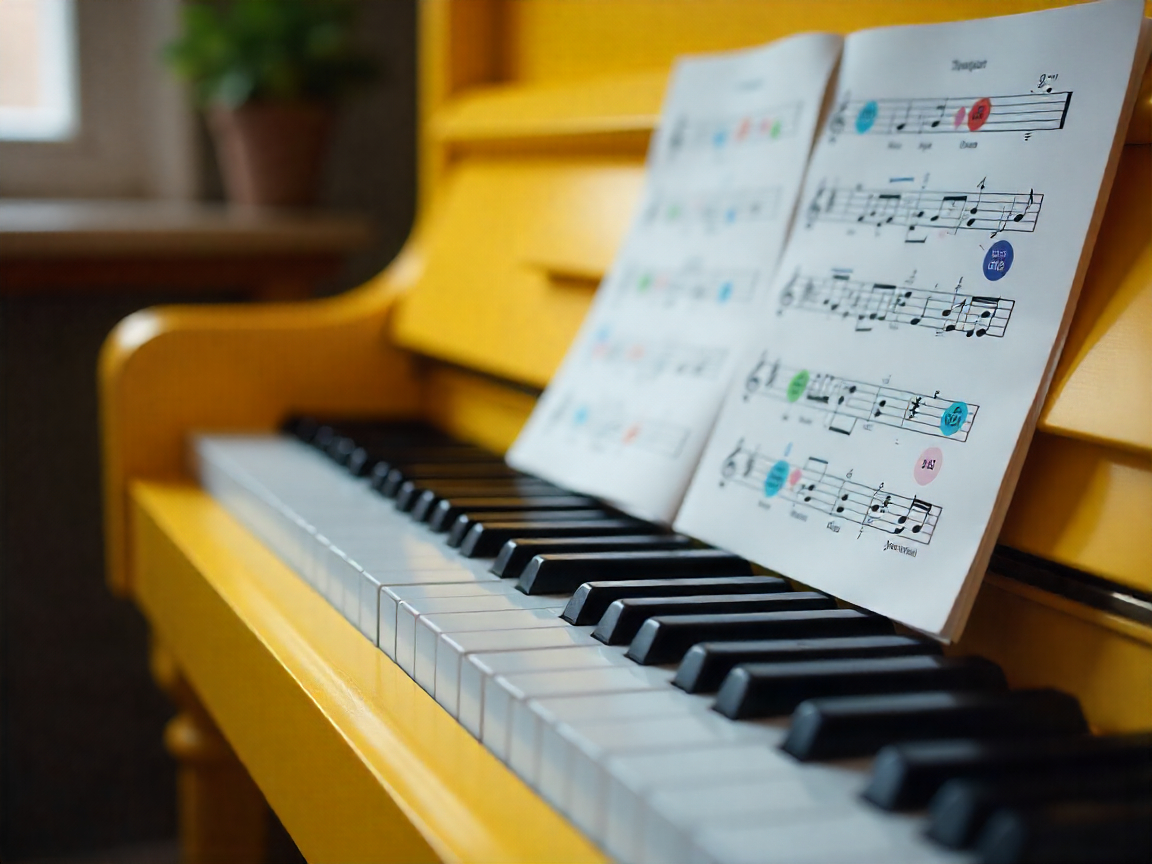
Where to Find Beginner Piano Sheet Music with Finger Numbers and Notes You’ll Love
Are you wondering where to find beginner piano sheet music with finger numbers and notes? Good news, it is easier than you might think. Many free and low-cost resources now include simple finger guides to help you land on the right keys. If you are new to reading music, those little numbers can feel like a friendly hand on your shoulder. Let us explore how to find beginner-friendly sheet music, why finger numbers matter, and where to expand your collection as you grow.
Start with the right approach
When you first sit down at the piano, it is natural to feel overwhelmed by dots, lines, and symbols on the page. Yet, focusing on simpler beginner sheets can make all the difference in your early progress. Music educators suggest using arrangements that include note names or finger numbers on (or above) the staff. These annotations remove guesswork, so your practice sessions flow faster.
Whether you rely on free public-domain downloads, official websites, or composer-driven platforms like Tonioli, you want to find music that is thoughtfully presented. Jason Tonioli, for example, offers selections designed for small hands and beginning players, with easy-to-read notes that skip the clutter. You will have a clear path to learning songs at your own pace, building confidence as you go.
Focus on finger numbers and notes
Finger numbers are exactly what they sound like small digits on the sheet music that show which finger to use for each note. Studies in music education often show that early learners progress more quickly when they consistently use the same fingering patterns. This consistency trains the muscle memory in your hands, letting you worry less about how to reach a note.
- They reduce confusion when you switch keys or chords.
- They help keep your wrist and hand in a relaxed position.
- They encourage you to move up and down the keyboard systematically.
You might also see note names inside the note heads for extra clarity. That can be particularly helpful for children or anyone just learning to read music. Once you build familiarity, you can switch to standard notation without names, but you will have a solid framework from which to grow.
Try resources with variety
You have plenty of options for downloading sheet music. Some resources provide older classical pieces in the public domain, while others specialize in modern adaptations. Jason Tonioli’s catalog, for instance, includes accessible original compositions and carefully adapted hymns that sound rich without requiring advanced skills. You can grab physical books, digital PDFs, or single-song downloads, whichever suits your practice style.
If you want to explore other songs or styles, consider checking out short lists of popular and classical tunes. You could even branch into pop arrangements that are simplified for new players. Need some quick pointers on which tunes are easiest? Take a look at “what are the easiest songs to learn from free piano sheet music?” to spot beginner-friendly tracks that build confidence.
Expand your repertoire over time
Every piece you learn shapes your playing habits. That is why including a variety of genres and levels is crucial. Do not be afraid to revisit older songs at times. You might notice new nuances, such as chord progressions that feel more natural after a few weeks of practice.
If you are thinking ahead to more challenging music, you can grow into entire collections like Tonioli’s spiral-bound books (such as the Sacred Hymns 6 Music Book that is now shipping). They include well-loved hymns adapted to suit different skill levels. Even if you stick to free downloads for now, you can always add official PDFs or bound editions once you are ready for a bigger challenge. If you are curious about other sources, take a peek at “what are the best beginner piano sheet music sites in 2025?”.
Where to Find Beginner Piano Sheet Music with Finger Numbers and Notes? Recap and next steps
Beginner piano sheet music with finger numbers and note cues can speed up your learning, build finger dexterity, and make practice more fun. By focusing on straightforward arrangements from reputable sources, you will aim for consistent technique and set a strong foundation. If you’re wondering where to find beginner piano sheet music with finger numbers and notes, remember to explore a mix of music styles, so your repertoire stays fresh and engaging.
Want to bring more music and meaning into your life?
Explore Tonioli’s piano sheet music, inspirational books, and heart-centered compositions. Whether you’re a music teacher, parent, or performer, there’s something here to uplift your soul.
Visit Tonioli.com and find the soundtrack to your journey.
Frequently asked questions
1. Where can I find beginner piano sheet music with finger numbers and notes?
Finger numbers can be especially helpful early on. Sites like Musescore often include finger suggestions in user comments, and paid editions typically have them printed directly on the page
2. What are the easiest songs to learn from free piano sheet music?
Simple tunes like “Ode to Joy” or “Twinkle, Twinkle, Little Star” are often recommended because they use repetitive chords and predictable melodies. Check out “what are the easiest songs to learn from free piano sheet music?” for a handy list.
3. How do I read free piano sheet music as a beginner?
Start by identifying the clefs, then notice the finger numbers and note names (if provided). Practice moving your hands in small sections, and gradually piece the phrases together. The more you repeat, the easier it becomes to recognize patterns without looking down at your fingers.
4. What are the best beginner piano sheet music sites in 2025?
Look for user-friendly features such as finger numbers, note hints, and adjustable print sizes. You can also reference “what are the best beginner piano sheet music sites in 2025?” to check out recommended options.
5. Can you learn piano with beginner sheet music alone?
Yes, as long as you stay consistent with practice. Beginner sheet music helps you focus on fundamental skills. If you get stuck, online tutorials or a quick lesson with a teacher can fill in the gaps.
6. Where can I buy or download popular piano sheet music legally?
Many websites, including official music publishers, provide legal downloads. You can also check authorized composers’ websites, such as Tonioli, which offers both digital and physical versions.
Key takeaways to remember
- Beginner sheets with finger numbers help you learn faster.
- Simple, clear arrangements reduce frustration as you practice.
- A varied repertoire keeps your progress fresh and exciting.
- Trusted sources like Tonioli Music offer multiple formats.
- Gradually transition from spelled-out notes to standard notation.
Wherever you decide to collect your beginner-friendly piano music, the key is to keep playing joyfully. By starting with accessible options, you gain speed and accuracy, setting you up for success in more challenging pieces. You have got this, and there is no better time to begin than now.