
Enjoy Playing with These Top Easy Piano Sheet Music Selections
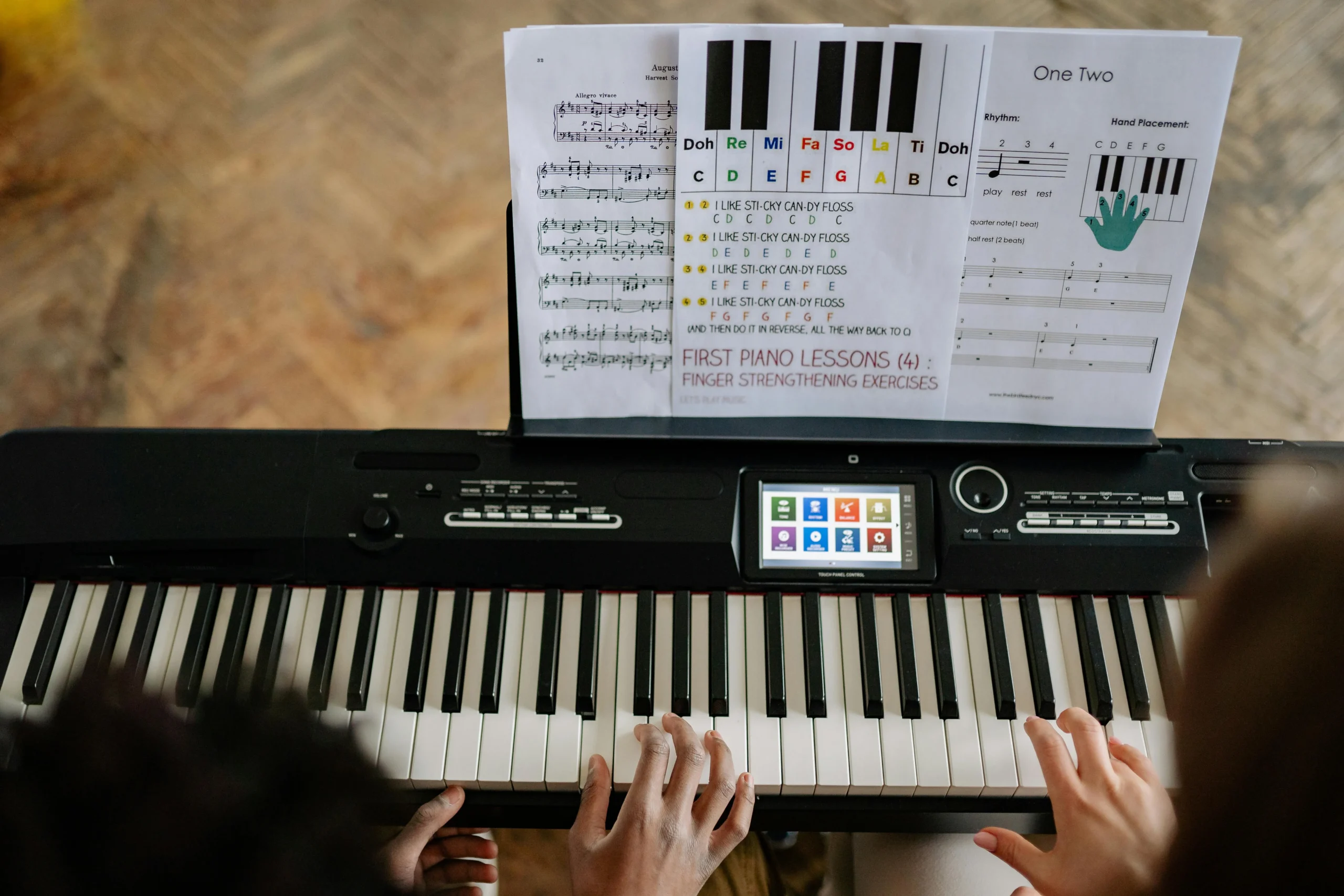
How Easy Piano Sheet Music Transforms Your Learning Experience
Let’s imagine you’ve just sat down at your piano, feeling excited, but also a little unsure where to begin. You’re in the right place. Easy piano sheet music can be your best friend when starting out, because it simplifies complex songs and lets you enjoy playing almost immediately. Rather than diving into challenging tunes, easy arrangements introduce you to basic finger placements, familiar rhythms, and the rewarding feeling of nailing a piece from start to finish.
Learning to read and play music is a journey that opens up a world of creativity. Before too long, you’ll recognize notes on the staff like spotting close friends across a room. In this post, you’ll find tips on selecting your first sheets, mastering beginner-friendly pieces, and building confidence step by step. Get comfortable, have your piano ready, and let’s unravel everything there is to know about playing songs that will make your heart sing, minus the worry of overwhelming notation.
You’ll also discover that “easy” certainly doesn’t mean boring. From sweet classical melodies to toe-tapping pop hits, there’s something for every appetite. So, if you’ve ever dreamed of playing your favorite tunes on a lazy weekend (or simply filling a quiet afternoon with music), stay tuned. We’ll walk through the logic behind beginner sheets, the classic songs that never get old, and some proven practice strategies to keep you motivated. Let’s dive in, one note at a time.
Understand easy piano sheet music
To hammer out any tune, you first need to understand the building blocks of easy piano sheet music. These simplified arrangements typically reduce tricky chords, cut back on accidentals (the sharps and flats), and keep the left and right hand more balanced. They’re an excellent way to move from sounding tentative to feeling confident behind the keys.
Why start with easy sheet music?
Picture learning to ride a bike on training wheels. In the same way, beginner-friendly sheet music gives you the stability you need to practice your technique without crashing into frustration. You’ll get comfortable with dynamics (soft and loud), rhythms, and note recognition at a relaxed pace.
- Builds familiarity with note positions.
- Allows you to focus on hand coordination.
- Creates quick wins that keep you motivated.
Beginners often quit because they pick sheet music that’s above their skill level. Instead, easy arrangements let you gradually conquer each challenge, fueling your drive to learn more.
Basic elements of sheet notation
As you scan your music, you’ll see the staff (the set of five lines), which is your map. Each line and space corresponds to a note. You’ll also notice:
- Treble clef: Tell your right hand which notes to play.
- Bass clef: Instructs your left hand.
- Key signatures: Indicate which sharps or flats are used.
- Time signatures: Show how beats are counted in each measure.
Through repeated practice, your eyes and fingers learn to work in sync, turning notes on a page into a satisfying melody. According to music education research at Berkeley, developing sight-reading skills through consistent practice with simplified arrangements is one of the most effective ways for beginners to build confidence and musical understanding. If you’re feeling shaky on this foundation, you can explore more step-by-step details in resources like how to read easy piano sheet music for beginners?.
Tackle your first pieces
If you’re like most new pianists, you want to play songs you’ve actually heard. Fortunately, many cherished tunes have easy piano sheet music versions that keep the essence of the original but tone down complex runs or tricky chords. Below are a few categories to explore, depending on your style and musical mood.
Simple classical picks
Classical music may sound intimidating, but there are plenty of gentle arrangements perfect for new pianists. Even iconic works like Beethoven’s “Fur Elise” or Chopin’s “Prelude in E Minor” can be found in simplified versions. The benefits?
- Builds a strong technical foundation.
- Teaches you to appreciate stylistic flourishes.
- Familiarizes you with timeless chord progressions.
Try starting with short waltzes, preludes, or miniatures. They’re often limited in range and note movement, so your hands stick to a manageable area of the keyboard. By practicing classical pieces, you naturally develop better posture, refined fingering, and a critical ear.
Beloved pop tunes
Pop songs are often reworked into easy piano sheet music that retains the catchy melody without the advanced intricacies. Imagine playing Ed Sheeran’s “Thinking Out Loud” or Adele’s “Someone Like You” using just a handful of chords and simpler rhythms. That immediate sense of recognition keeps you enthusiastic, and your practice sessions may fly by because you’re enjoying the music you love.
- Most pop tunes emphasize repeated chord progressions.
- Melodies tend to be memorable, so it’s easier to detect mistakes.
- You can add simple harmonies once you get more comfortable.
If you’d like a guide to popular options, consider checking which pop songs are available as popular piano sheet music?.
Nostalgic children’s melodies
Nothing says “friendly entry point” like nursery rhymes and children’s songs. From “Twinkle, Twinkle, Little Star” to “Mary Had a Little Lamb,” these tunes establish finger agility and familiarity without overwhelming you with complicated notation. They’re also a sweet way to bond with younger listeners if you’re teaching, or simply want to excite the little ones in your family.
Children’s tunes typically feature:
- Straightforward, repetitive motifs.
- Only a few chord changes.
- Smaller note ranges, so you don’t have to jump around the keyboard.
These pieces help you refine your sense of timing, because rhythms are usually consistent. By the time you master a handful of them, your progress will be noticeable and deeply satisfying.
Mastering reading skills
Reading music is like decoding a puzzle. Each note and symbol has a place in your mental dictionary, but it takes conscious effort to interpret them at speed. The more you practice, the smoother that decoding becomes, until you can practically hum the tune in your head before pressing a single key. Below are some ways to keep gaining momentum as you read music.
Practice tips for proficiency
Consistency matters more than marathon practice sessions. Rather than drilling for hours once a week, you’ll make faster progress with 10 to 15 minutes of daily sight reading. Break your practice into bite-sized tasks:
- Warm up with scales or simple, 8-bar passages.
- Identify any tough sections of your sheet music.
- Use slower tempos at first, then gradually increase speed.
It also helps to engage multiple senses. You can hum the melody (quietly or in your head) to confirm pitch accuracy. Some people even tap out the rhythm on a tabletop before playing, to lock in the tempo. Meanwhile, keep your posture stable and your wrists relaxed, so you’re not introducing tension that could lead to mistakes.
Overcoming common reading hurdles
Ever find your eyes stuck on one staff while your left hand loses track of what it’s supposed to do? That’s a typical beginner challenge. Splitting your attention between treble and bass clef does get easier with repetition.
Try these adjustments:
- Master each hand separately, then combine them.
- Write in note names on tricky spots (just do it lightly in pencil).
- Slow down the sections that trip you up, and practice them in short loops.
If you’re craving more detail on cracking the code of musical notation, pop over to how to read easy piano sheet music for beginners? for a focused tutorial.
Where to find easy piano sheet music
Now that you know the “why” and “how,” the next step is getting your hands on beginner-level arrangements. Easy sheet music is available in multiple formats, so you can choose the option that suits your learning style, whether digital downloads on your tablet or printed pages pinned to a music stand.
Online resources and free options
Many websites specialize in easy piano sheet music or host user-generated libraries, which means you can browse an enormous selection from classical to jazz and everything in between. With search filters, you can zero in on your skill level and favorite genre in no time.
A few tips:
- Look for trusted sites with user reviews.
- Preview a page or two of the score before downloading.
- Compare different arrangements if you’re not sure which version fits your level.
If you’d like a starting point, consider reading what are the best sites for easy piano sheet music downloads?. This can help you explore a range of options, including free tunes and licensed tracks available at a low cost.
You can also check out where can i find free easy piano sheet music for popular songs? if you’re craving a specific pop or rock favorite. Remember to keep an eye on legality, so you support music creators and the community as a whole.
Printed copies and local shops
There’s something special about flipping through physical sheet music at a music store. Many local shops carry an extensive library of easy piano sheet music that’s often organized by genre or skill level. If you’re unsure which edition to choose, a friendly salesperson may guide you based on your goals.
Common sources of printed easy piano sheet music:
- Local or chain music stores.
- Community colleges or university bookshops.
- Libraries with a dedicated music section.
Printed copies can be more comfortable to annotate. You can scribble reminders or circle problem spots, and there’s no battery to worry about. And if you prefer a neat, professional look, you might consider scanning or printing your favorite songs. Some suggestions on that front can be found if you visit printable piano sheet music. According to music education experts at Yale, the tactile experience of turning physical pages and making handwritten notes can enhance memory retention and musical understanding for many learners.
Encouraging consistent practice
Owning a stack of easy piano sheet music is one thing, but turning those sheets into masterful playing requires a commitment to regular practice. The journey doesn’t have to be grim or tedious. Lightening up your routine can go a long way toward keeping your momentum alive.
Setting realistic goals
Ask yourself: what do I want to accomplish this week, next month, or by the end of the year? Big goals might feel daunting, so instead, aim for milestones that are reachable in smaller time frames.
- Master the first page of a specific piece.
- Improve your tempo by a few beats per minute.
- Memorize at least one full song you absolutely love.
By breaking tasks into chunks, you’ll avoid burnout and give yourself opportunities to celebrate each step. You might even jot these goals in a practice journal or a notes app on your phone. That way, you can track your progress over time. Research from the American Psychological Association demonstrates that setting specific, measurable goals significantly increases motivation and achievement in skill-based learning.
Celebrating small wins
Did you play through a tricky passage without stumbling? Did you manage a smooth chord transition that previously felt impossible? Recognizing these small triumphs can boost your confidence and motivate you to take on bigger challenges.
Consider small rewards for hitting key milestones:
- A relaxing break with your favorite beverage.
- A fun jam session on a piece you already know well.
- A quick share of your accomplishment on social media if that inspires you.
Similar to learning any new skill, momentum grows when you regularly acknowledge how far you’ve come. Each victory can spark renewed excitement for practicing the next piece in your folder of easy piano sheet music.
Embrace your musical journey
Playing piano is more than just hitting keys in the right order. It’s about exploring emotions, honing coordination, and building a skill you can cherish for life. Even as you move from easy arrangements to more advanced compositions, remember why you started in the first place: to make music that resonates with you and others who listen.
If you ever feel stuck, try revisiting simpler tunes you’ve already mastered. That familiarity reminds you how far you’ve traveled from day one, and it can recharge your motivation. You might also explore pieces that challenge you in fresh ways, whether by introducing a new rhythm or pushing your range on the keyboard.
Don’t hesitate to connect with fellow learners online or in your local area. Sharing tips, learning from each other’s experiences, and celebrating victories can keep the spark alive. And if at any point you feel drawn to the idea of playing pop songs at gatherings or performing a short recital for friends, go for it. Easy piano sheet music is more than enough to create lovely, memorable sounds.
Enjoy easy piano sheet music
As you wrap up your exploration of easy piano sheet music, take a moment to appreciate your progress. Maybe you’ve already learned a short lullaby, surprised yourself by flawlessly playing a pop melody, or found that classical piece you once thought was beyond your reach.
These accomplishments are stepping stones to more advanced music. With consistency, curiosity, and a willingness to tackle new challenges, you’ll discover that each page of sheet music can be a gateway to greater control and expression. Keep easing into fresh arrangements, keep experimenting with dynamics, and never be afraid to revisit fundamentals.
Above all, enjoy making music. Whether your journey leads you to laid-back living room concerts or bigger stages, the important thing is that you’re playing something you love. Give yourself permission to have fun, and continue learning at your own pace. Before you know it, the songs that once felt daunting will become second nature under your fingertips. Then you’ll be free to marvel at just how far you’ve come—and keep enjoying every note along the way.
Want to bring more music and meaning into your life?
Explore Tonioli’s piano sheet music, inspirational books, and heart-centered compositions. Whether you’re a music teacher, parent, or performer, there’s something here to uplift your soul.
Visit Tonioli.com and find the soundtrack to your journey.
Frequently Asked Questions
1. What Are the Best Sites for Easy Piano Sheet Music Downloads?
The best sites include IMSLP for classical pieces, Musicnotes and Sheet Music Plus for professional arrangements, and 8Notes or Easy Piano Online for simplified versions. These platforms offer difficulty filters and preview options to help you find suitable sheet music for your skill level.
2. How to Read Easy Piano Sheet Music for Beginners?
Start by learning the grand staff (treble clef for right hand, bass clef for left hand) and basic note positions using memory aids like “Every Good Boy Deserves Fruit.” Practice identifying note values and begin with simple, familiar melodies at slow tempo with a metronome.
3. Where Can I Find Free Easy Piano Sheet Music for Popular Songs?
Check public domain sites, user-generated platforms, educational websites, and music forums where teachers share simplified arrangements. Your local library may also have collections you can borrow and photocopy for personal use.
4. What Are the Easiest Songs to Learn on Piano with Sheet Music?
Start with familiar songs like “Twinkle, Twinkle, Little Star” and “Happy Birthday.” Simple classical pieces like Bach’s “Minuet in G” and Beethoven’s “Ode to Joy” are excellent, along with beginner arrangements of popular songs like “Let It Be” or “Imagine.”
5. Can You Learn Piano with Just Easy Sheet Music and No Teacher?
Yes, you can learn piano using easy sheet music combined with online tutorials and resources. However, occasional check-ins with an experienced pianist can help prevent bad habits and provide personalized feedback that sheet music alone cannot offer.
Key Takeaways
- Start with easy piano sheet music to build confidence and avoid frustration while learning proper finger placement, rhythm, and note recognition at a manageable pace.
- Easy doesn’t mean boring – simplified arrangements of classical pieces, popular songs, and children’s melodies retain their musical essence while being accessible to beginners.
- Focus on consistent practice rather than marathon sessions – 10-15 minutes daily with realistic goals and celebrating small wins will accelerate your progress.
- Master reading fundamentals by practicing one hand at a time, using slower tempos initially, and familiarizing yourself with basic notation elements like treble clef, bass clef, and time signatures.
- Utilize both digital and physical resources – explore reputable websites for downloads, visit local music stores, and always ensure you’re accessing legal sheet music that supports creators.
- Self-teaching is possible but benefits from guidance – combine easy sheet music with online tutorials, instructional videos, and occasional professional lessons for best results.