
Why Printable Piano Sheet Music Is Still Popular in the Digital Age?
Benefits of Using Printable Piano Sheet Music Today
You might be wondering why printable piano sheet music is still popular in the digital age, especially when you can simply download tunes or use an app on your phone. The answer is that printed pages offer surprising benefits, from easier personal note-taking to a tangible sense of progress. Whether you’re just starting out with piano or you’ve been playing for years, printed music can help you stay on track—and even spark new inspiration.
Honor physical accessibility
When you have a physical copy right in front of you, there’s less distraction and more focus. Digital devices can tempt you with notifications, social media, or endless scrolling in search of a specific song. A printed page, however, is straightforward. You lay it down on your music stand and it’s ready to go, no battery life or Wi-Fi needed.
Physical copies also let you quickly flip pages. That speed and ease of use can be critical for performances or fast-paced practice sessions. You don’t have to worry about your laptop screen timing out or your tablet falling off the stand. Printed music is reliable in any setting, and that matters when you just want to sit down and play.
Enhance your practice sessions
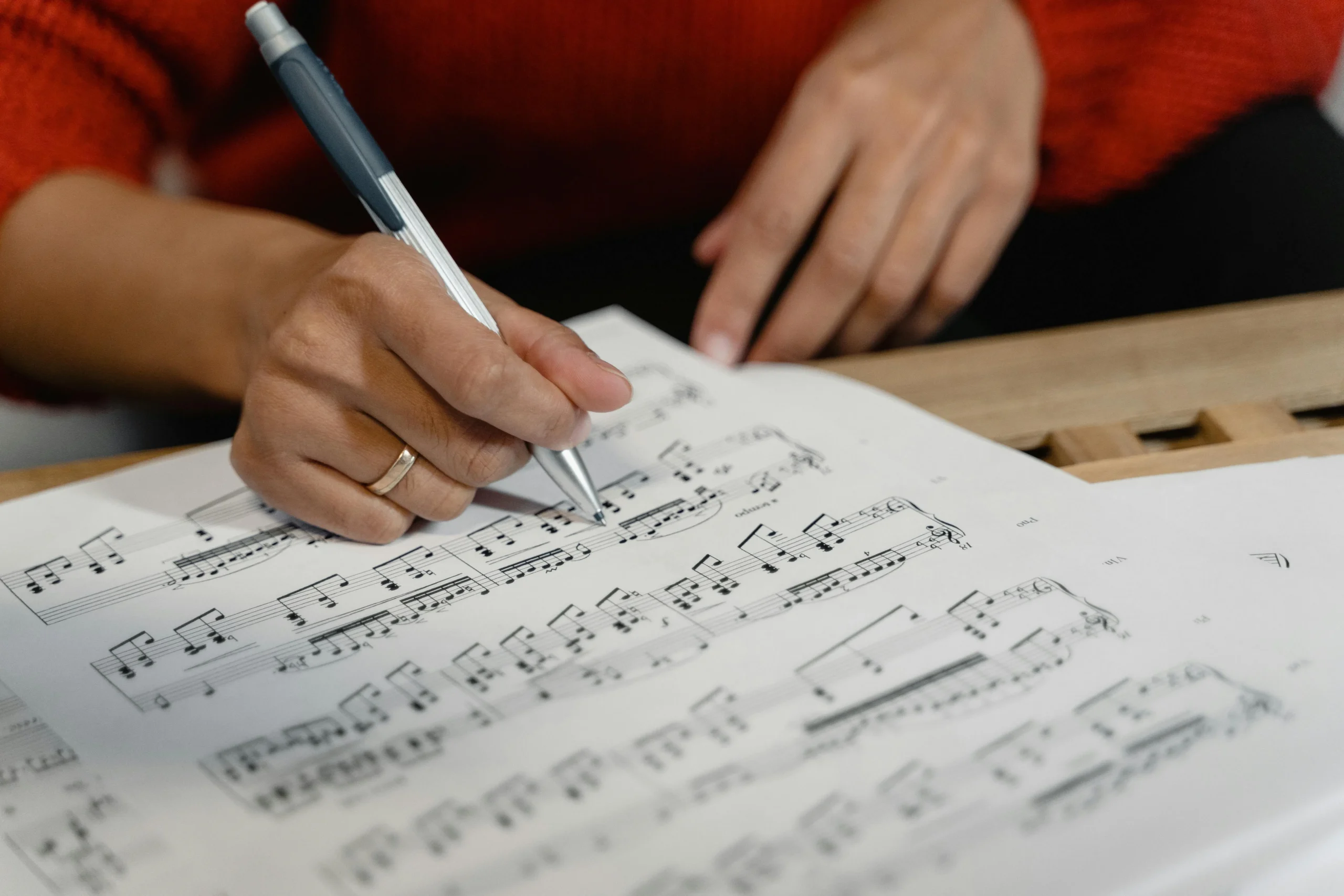
Practicing piano should feel natural and hands-on. If you’ve tried working with digital sheet music, you might have found it tricky to mark up new chord suggestions or scribble a reminder to check rhythm accuracy later. With paper, you can grab a pencil and circle problem areas, add finger-number notes, or highlight tricky passages in real time.
You can even keep your annotated copies as a personal record of how far you’ve come. Looking back at your earlier scribbles can give you a sense of accomplishment: “Wow, I really struggled with that chord progression, but now I can play it confidently.” If you’re just starting out, check out how to read easy piano sheet music for beginners? once you have your pages printed and ready.
Merge print and digital
Of course, going all-in on paper doesn’t mean you have to ditch digital resources. There’s a sweet spot in combining both. You can explore countless songs online, sample them through a digital format, and then print the ones you really want to focus on. This approach makes you more selective, avoiding clutter or impulse-downloading every single piece you stumble upon.
If you’re looking for an easy way to get started, consider browsing printable piano sheet music. It offers a wide variety of genres and difficulty levels. You can also explore popular piano sheet music when you feel ready to tackle well-known hits. That blend of online discovery and offline practice balances convenience with a more hands-on, focused study process.
Try these quick tips
- Start a binder: Keep all your printed music in a binder with dividers. Sort by genre or difficulty so you can easily flip to your current favorite.
- Use color-coding: Different color markers or sticky notes can highlight sections you need to spend extra time on.
- Laminate frequently used pages: If you have a piece that you practice daily, consider laminating it for durability.
- Build a personal archive: Over time, you’ll see a physical “song history” grow before your eyes. That’s a rewarding reminder of how many tunes you’ve mastered.
A simple binder system not only keeps your music organized but also keeps you motivated. There’s something satisfying about flipping through your own curated collection—proof that you’re consistently learning and improving.
Wrap up your approach
Wrapping up doesn’t have to mean saying goodbye to digital tools altogether. It’s about finding a balance that keeps your practice joyful and efficient. Perhaps you’ll print music for songs you love or for composers you’d like to study deeply, and keep the rest in digital form for quick reference. It’s all about your comfort, your space, and your learning style.
Why printable piano sheet music is still popular in the digital age
Ultimately, why printable piano sheet music is still popular in the digital age comes down to simplicity, reliability, and a personal touch. You can scribble notes in the margins, flip pages physically, or keep a visible record of your progress. Printed sheets pull your attention away from endless online distractions, allowing you to focus entirely on the music. Give it a try—print out that piece you’ve been eager to learn, mark it up with your own practice notes, and see how it transforms your playing. You’ll likely discover there’s no true replacement for turning a crisp page as you master each measure.
Want to bring more music and meaning into your life?
Explore Tonioli’s piano sheet music, inspirational books, and heart-centered compositions. Whether you’re a music teacher, parent, or performer, there’s something here to uplift your soul.
Visit Tonioli.com and find the soundtrack to your journey.
Frequently Asked Questions
1. Where Can I Find the Best Printable Piano Sheet Music for Beginners?
Look for reputable music education websites, music stores with digital catalogs, and established publishers that offer beginner-friendly arrangements. Many sites categorize music by skill level, making it easy to find appropriate pieces for new players.
2. Is It Legal to Download Printable Piano Sheet Music Online?
Yes, but only from legitimate sources that have proper licensing or offer public domain music. Always use authorized websites, purchase from official publishers, or download royalty-free compositions to avoid copyright infringement.
3. How to Print Piano Sheet Music at Home Without Losing Quality?
Use high-quality PDF files, set your printer to at least 300 DPI, choose good paper (at least 20lb weight), and ensure your ink cartridges are full. Print in actual size rather than “fit to page” to maintain proper spacing.
4. What Are the Top Websites Offering Free Printable Piano Sheet Music?
Popular options include IMSLP (public domain classical music), MuseScore (user-generated content), 8Notes, and Piano Nanny. Always verify that free sources are legal and properly licensed.
5. How has the digital age affected music publishing?
Digital tools make discovering and accessing music easier than ever, allowing musicians to explore countless songs online. However, printed music remains essential for focused practice, making annotations, and building a tangible music library. For a balanced approach, you can explore printable piano sheet music or learn how to read easy piano sheet music for beginners to combine digital discovery with hands-on practice.
Key Takeaways
- Physical accessibility: Printable sheet music eliminates digital distractions and provides reliable, battery-free access during practice sessions.
- Enhanced practice experience: Paper copies allow real-time annotations, highlighting, and personal notes that improve learning retention.
- Perfect hybrid approach: Combining digital discovery with printed practice materials offers the best of both worlds.
- Organizational benefits: Building a physical music library creates a tangible record of progress and keeps frequently-used pieces easily accessible.